
Zuko & The Struggle to Reclaim Yourself
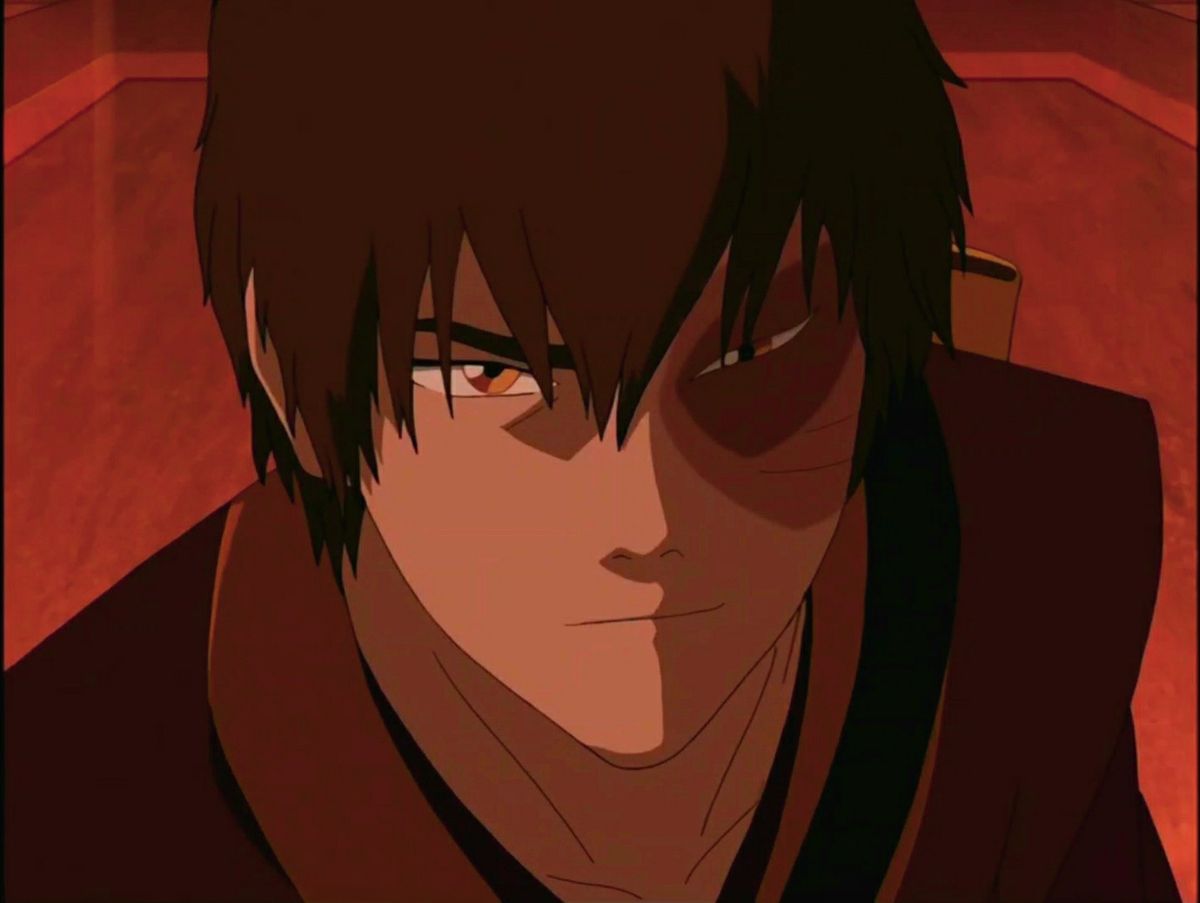
Zuko from The Last Airbender is often remembered for his redemption arc. He begins as someone who believes he already knows the answer. Honor, in his world, is something external. It can be lost, taken, and, if he proves himself worthy enough, returned. This belief isn't his own. It is shaped by his father, Fire Lord Ozai, who teaches him that love and acceptance are earned through power and obedience. Everything about him is organized around that belief. Every decision, outburst, and mile he travels is aimed at the same goal: approval.
But there is a quiet instability beneath it. The tighter he grips onto that version of himself, the more it slips. Psychologist Carl Rogers defined this tension as the distance between the "ideal self” and the authentic self (McLeod, 2025). Zuko’s ideal self is clear. It is powerful, obedient, and accepted. The problem is that this version of him was created, not discovered. It's in the way his anger feels unstable, in the moments where he hesitates, and in the quiet choices that contradict his mission.
The show lets those moments linger on. In “The Storm,” he chooses to save his crew instead of pursuing the avatar. In “Zuko Alone,” He saves a family. He lives a life where no one knows who he is and briefly becomes someone softer, more grounded. These aren't major turning points. These are interruptions. Small cracks in the story he continues to tell about himself. Those cracks widen through his relationship with his Uncle Iroh. Iroh teaches Zuko how to redirect lightning, proposing a different philosophy of power. Fire is no longer about dominance, but about discipline, balance, and mastery of one's internal state. Zuko learns the importance of regulating power rather than seizing it.
What makes Zuko’s story feel real is that insight doesn't immediately lead to change. Shame always follows him. Shame often motivates people to repair their identity through achievement or approval. His exile is more than a punishment; it becomes a defining narrative of who he is. In Ba Sing Se, when he is offered a choice to choose differently, he chooses to side with Azula. A choice that feels like regression also reflects something deeply human. When identity is already built around external approval, letting go of it means stepping into uncertainty. The familiar, even when harmful, may feel safer than the unknown.
Zuko’s eventual transformation does not stem from a single moment of realization but from a slow reorientation. This is especially apparent when Iroh and Zuko reconcile in the final season. Zuko anticipates rage, but is met with compassion and disappointment. Iroh is upset, not because Zuko failed him, but because Zuko made a decision that did not align with the good Iroh sees in him. Self-determination theory suggests that people require autonomy and connection to develop a strong sense of self. (Ryan and Deci, 2000) Zuko's decisions start to reflect intrinsic motivation rather than obligation, indicating a shift from controlled behavior to self-directed action.
By the final season, the definition of honor has changed. It is no longer something to retrieve. Through cognitive reframing, a technique that helps you see situations from a different angle, the meaning of his journey changes. (Mohn, 2024) The purpose remains, but its meaning shifts. Acting with integrity eliminates the desire for approval. Zuko’s story isn't one of a single act of redemption. It is more like a return. Not to who he was, but to what was always present, waiting beneath expectation.
References
Never miss an issue of The Cognitive Clash
Get the next one in your inbox. Free, and one click to leave.
0 Comments
No comments yet
Keep reading
A fresh mix from across our archive