
Yellowjackets: Representation of Trauma
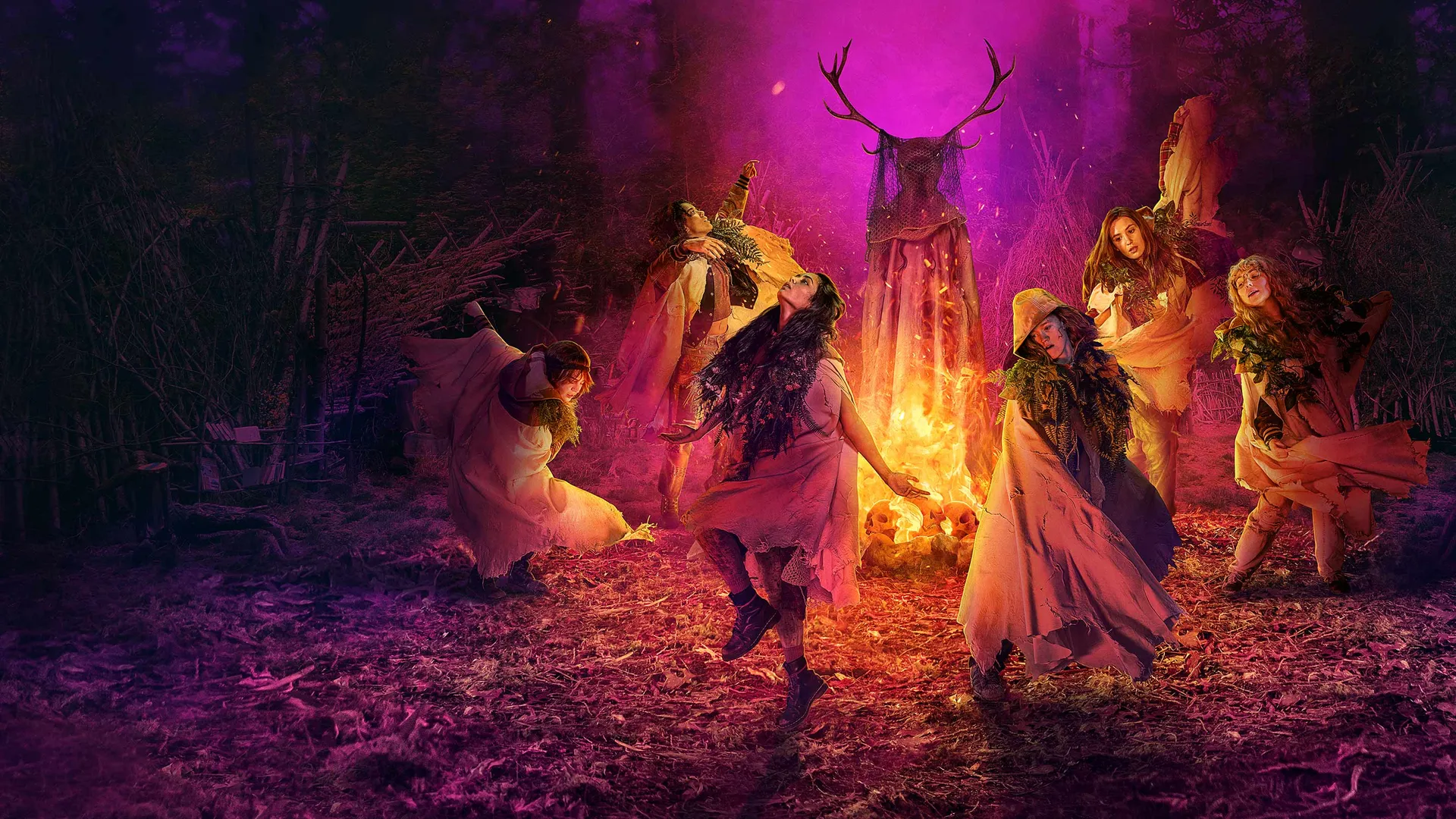
Yellowjackets serves as one of many answers to the questions we’ve all been asked at one point or another: What would you do if you crash-landed in the middle of nowhere? How would you survive, and what would you do to ensure it happened? Well, Yellowjackets takes a stab at it, as we follow the lives of a high school girls' soccer team during both their time in the Canadian wilderness and post-rescue in the 2020s. What makes the show particularly unique is this dual storyline of the girls; we see them as grown adults with jobs and families, while simultaneously seeing them fight to survive. It allows for constant suspense while also letting us see the long-term impacts of events in the wilderness. After their rescue, the girls' lives don’t just return to normal; they are forever traumatized in unique ways that we’ll touch on later. However, before we can dive in, we need to clarify exactly what trauma is and how it may present.
Trauma is complex and can stem from a variety of events, seemingly big or small. It’s defined by the APA as “any disturbing experience that results in significant fear, helplessness, dissociation, confusion, or other disruptive feelings intense enough to have a long-lasting negative effect on a person’s attitudes, behavior, and other aspects of functioning” (American Psychological Association). These experiences can completely alter our lives in ways that may not be apparent at first, as many signs and effects become apparent later in life. Additionally, these impacts may be overlooked if they aren’t expressed through external means. While there is a wide variety of ways the impact of trauma may manifest, some of the most common are: detachment, anxiety, defensiveness, flashbacks to the event, reclusivity, and irritability. When talking about the impacts of trauma, we most commonly think of Post Traumatic Stress Disorder (PTSD), which encompasses any of the common long-term effects of trauma. Coping with these events can be very difficult and require a lot of support, as we see in Yellowjackets. Now that we have a clear understanding of trauma, we can dive deeper into how we see it in connection to our main cast.
Shauna Shipman
Shauna Shipman is one of the most prominent and complex characters in the series. While in the wilderness, she loses not just her best friend Jackie but also a newborn child. Throughout the show, we see how this shapes her experiences in the wilderness, from seeing visions of Jackie to expressing anger and distrust towards her teammates. Even after the wilderness, we see how Shauna is still impacted, even pushing her husband and daughter away in fear of their passing. In the wilderness, Shauna is shown to have episodes of trauma-induced psychosis, first by seeing visions of Jackie after her passing, and again after the birth of her son, as she goes through postpartum psychosis, thinking her baby is still alive at points. “In their current conceptualization of psychosis, both the APA5 and the World Health Organization 8 define psychosis narrowly by requiring the presence of hallucinations (without insight into their pathologic nature), delusions, or both hallucinations without insight and delusions” (Arciniegas, 2015). We see several instances of Shauna seeming to hold a conversation with these hallucinations of her former best friend, Jackie. She haunts her and often voices the guilt Shauna holds inside. The longer they are in the wilderness, the more aggressive she becomes, thinking those around her are out to get her. Even after the wilderness, Shauna's spells of psychosis start up again while stressed about the possibility of their past coming to light. She begins to see Jackie again and becomes increasingly paranoid with those around her, such as Lottie and Misty.
Natalie
Natalie’s background before the crash is already difficult, as she’s shown to have a troubled relationship with her mother. In the wilderness, however, she is the most level-headed and able to adapt. She doesn’t believe in the seemingly supernatural events occurring around them and seems most upset by the ritualistic nature the team begins to adopt. We see the true impact of these events on Natalie in the modern timeline, as her desire to escape the thoughts of wilderness drives her towards coping through drug and alcohol use, at one point even making her attempt to take her life. Many people use substances as a means to self-medicate, cope, and numb pain. “Trauma can alter brain chemistry, affecting neurotransmitters associated with pleasure and reward” (Salt Lake Behavioral Health, 2025). While on substances, the brain and body systems are altered, and may even temporarily restore balance, creating a vicious cycle of seeking this relief.
Another way this impacts Natalie is through her lack of social support, as she is shown to be socially withdrawn, with few close connections beyond her old teammates. This loneliness is especially apparent after her close friend/former lover, Travis, dies, as she sees herself having no one left. This isolation and lack of support furthers the harm to her mental health and makes her more susceptible to engaging in certain behaviors like substance use as a means of coping. We later see how social support benefits her as she joins Lottie's community in season two, where she starts to get clean and open up more, even becoming less angry.
Taissa
One of the most dramatic examples of the impact trauma can have is seen in Tai. While during the day she is level-headed and calm, trying to keep the peace amongst the team, the stress she feels still finds a way to manifest. We see that Tai suffers from episodes of severe parasomnia, which is a traumatic sleep disorder (TSD) that seems to be induced by the stress and trauma from the crash. These episodes cause her to do things she otherwise wouldn’t do, such as eating dirt, wandering off, and building alters. During her time in the wilderness, her girlfriend Van gives her this version of her name, “other Tai” or even “dark Tai”. Tai’s parasomnia isn’t just present in the wilderness, as even years later, after the crash, we see this behavior return in much more violent ways as she ritualistically kills her dog. The timing is right around her stressful campaign for State Senate, and after the sudden death of Travis. Parasomnia can be onset by many things, including PTSD, trauma, and stress, which is very complex. In the simplest terms, “it appears that hyperarousal in TSD is likely a reflection of increased autonomic and limbic activity with dysfunctional processing of memories and emotions similar to PTSD, though occurring exclusively during sleep” (Mysliwiec et al., 2018).
Overall, Yellowjackets allows us to learn a little more about how trauma is presented later in life. While we are able to find connections in Yellowjackets, it’s important to remember that trauma is deeply complex and not to base our understanding of it solely on media. Even though these portraits may be dramatized, they still motivate us to learn more, think more deeply, and empathize with others.
References
Never miss an issue of The Cognitive Crunch
Get the next one in your inbox. Free, and one click to leave.
0 Comments
No comments yet
Keep reading
A fresh mix from across our archive