The Substance: Destroying who we are to be wanted.
Have you ever dreamt of a better version of yourself? A version that’s younger, prettier, more confident, more desirable. But what happens when becoming that person means learning to hate the one you already are?
Maybe you have looked in a mirror and imagined what you would look like with a different body, clearer skin, or even just a little more confidence. Maybe you’ve been sitting there, scrolling through social media and caught yourself thinking, I wish I looked like that.
While wanting to improve ourselves and our appearances is not necessarily a bad thing, it can be beneficial to have an idea in our minds of what we want to become. But what happens when this imaginary version of ourselves becomes more important than the person we actually are?
This is where The Substance comes into play.
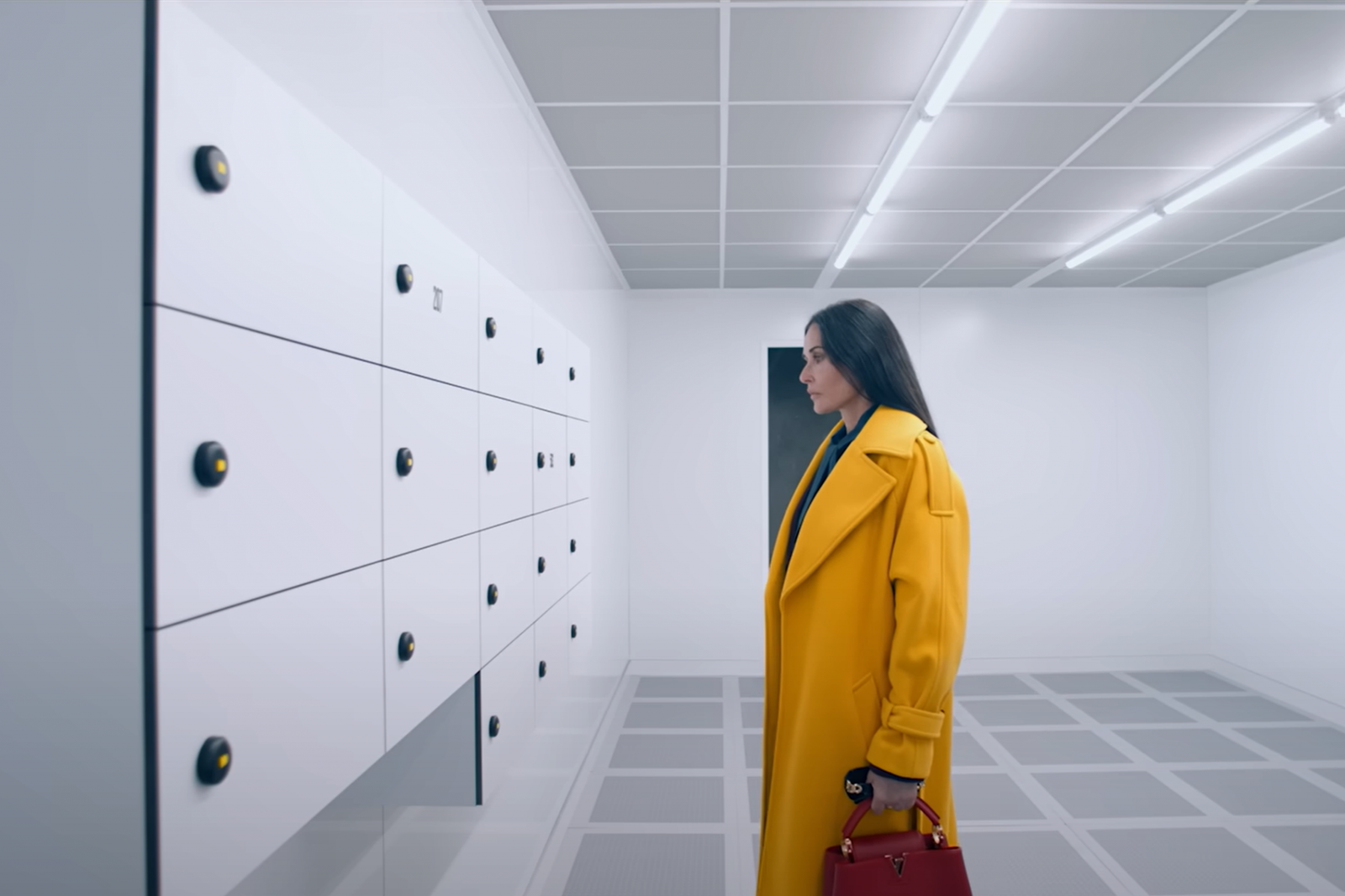
At first glance, The Substance appears to be another shocking body horror and gore film. There are neon lights, needles, and disturbing bodily transformations throughout the film that become increasingly more unsettling. But beneath this horror in the film lies something that feels eerily familiar, and that's why the gore isn’t what makes the movie as scary as we think it is.
It’s also the psychology behind it.
Horror has always had a unique way of exaggerating human behavior. Zombies amplify the fear of losing ourselves, vampires exaggerate seduction and temptation, and body horror externalizes our deepest insecurities. Rather than filmmakers creating fears that don’t exist, the horror genre uses these psychological experiences to convey a story until it feels impossible to ignore. The Substance does the same thing but with modern beauty standards, turning that inevitable dread we feel surrounding aging into physically horrifying so we are forced to confront just how intense and destructive it really can become.
At the center of this whole film is Elisabeth Sparkle’s choice, and what makes her specific decision psychologically interesting isn’t necessarily that she wanted to be young again, it’s why she wanted to.
Psychologically when it comes to decision making, intention matters. Healthy self-worth is built on internal values and accepting who we are. However, Elisabeth’s inner desires are coming from a place entirely different. She isn’t searching for peace, she is searching for validation. After being abruptly fired from her own television show when she turned fifty, her foundation just completely collapses. In her grief, she turns to a mysterious substance that says it will create a younger, more beautiful version of herself: Sue.
The catch is that the two versions are still one of the same person, switching bodies every seven days. Balance is mandatory. It’s important to remember they are one.
Except Elisabeth doesn’t just want to share time with Sue.
She wants to entirely replace herself with her.
That distinction changes the trajectory of the whole story.
One of the most disturbing parts of the film somehow isn’t the physical decay of Elisabeth’s body. It is the way she begins to look at herself. She stands in front of the mirror as if it's telling her something. Examining her body, searching for her flaws, and criticizing every single thing she sees. Yet, there's no producer there. No camera. No one tells her she is too old.
The only one tearing her apart is her.
In psychology, this connects to self-objectification, which happens when people begin to view their own bodies from an outside perspective, almost as if they are an object being evaluated rather than a person experiencing life. Instead of them asking, How do I feel? The focus became How do I look? Am I attractive enough?
In an image-obsessed culture, the constant spotlight on our appearance can make it feel less and less like an expression of who we are, and more like a requirement. You stop trusting what you actually feel and start obsessing over how you appear to everyone else. Every flaw is magnified. Every slight imperfection feels dangerous. Over time, that constant scrutiny breeds a quiet, destructive body dysmorphia.
The performance never stops. You keep adjusting your exterior for an invisible audience, even if it leaves you completely empty on the inside.
When Sue enters the picture, the disconnect between the two versions of herself turns toxic. Sue is Elisabeth’s ideal self made physical: young, beautiful, full of energy, and immediately rewarded with adoration. Research on self-discrepancy theory shows that emotional distress spikes when there is a significant gap between who we actually are and what we believe we should ideally be.
The substance takes that comparison and makes it quite literal.
Elisabeth doesn’t have to scroll past pictures of someone she wishes she looked like.
She can walk into the next room and meet her.
Sue is everything Elisabeth thinks she should be. And because Sue receives the attention Elisabeth has been craving, Elisabeth begins to believe that Sue is not only more desirable, but more valuable. Every ounce of success Sue has, Elisabeth breaks a little more. Everytime she sees Sue being admired, Elisabeth becomes more dissatisfied with herself. Eventually, the two versions stop feeling like different sides of the same person and begin to feel like enemies.
Which raises a deeper question.
If changing ourselves is truly about fear, validation, and control, does becoming our “ideal self” ever actually heal us? Or was Elisabeth in love with the version of herself that existed for other people?
Maybe that's what makes The Substance so effective as a horror film.
The monsters aren't the point.
The needles and blood aren't the point.
They’re simply exaggerations of something that already exists.
By pushing vanity to impossible extremes, the film exposes psychological patterns that often develop quietly in our real life, reminding us that the most frightening stories aren’t always the ones furthest from reality.
Sometimes they're the ones staring back at us in the reflection.
References
Never miss an issue of The Cognitive Code
Get the next one in your inbox. Free, and one click to leave.
0 Comments
No comments yet
Keep reading
A fresh mix from across our archive