
The Last Of Us & The Guilt of Surviving
In The Last of Us, Ellie's immunity helps her to live when so many others do not. As loss follows her throughout the game, surviving begins to feel less like a gift and more like a responsibility to make each death meaningful. Her experience demonstrates how survivors’ guilt can transform purpose into pressure and why healing might require understanding that a life doesn't have to justify its existence.
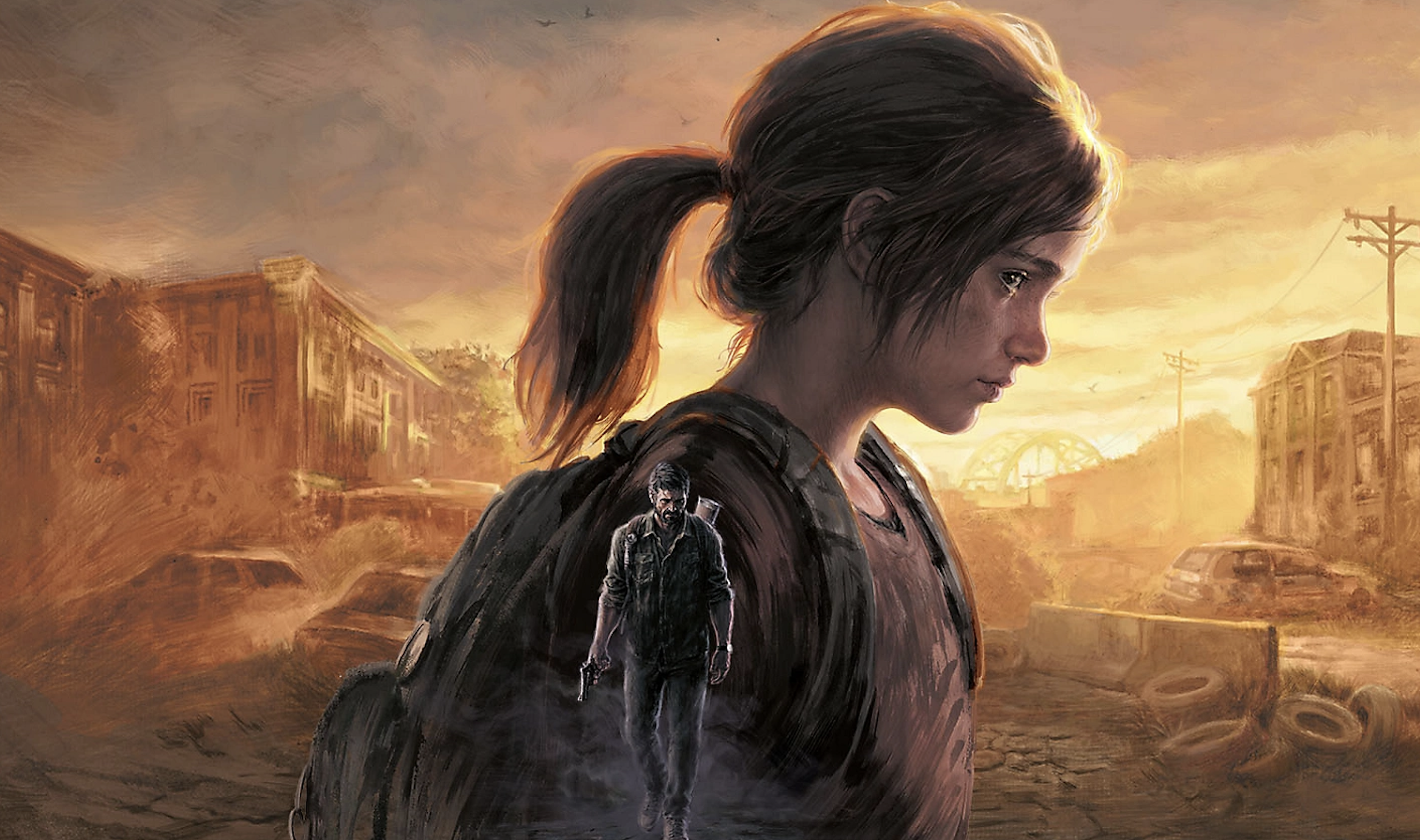
What happens when being alive is perceived as a burden rather than a blessing?
In Naughty Dog's 2013 video game The Last of Us, Ellie is immune to the infection that has devastated the majority of society. Her immunity sets her apart, but it does not make her feel special. Instead, each person she loses leaves her with an unanswerable question: Why did she live when others didn't?
Ellie's guilt begins before she travels with Joel. She and her best friend, Riley, are bitten simultaneously and expect to die together. Riley finally succumbs to the virus, while Ellie stays unaffected. Riley is joined by Tess and Sam toward the end of the game, and their deaths serve as a reminder to Ellie that she lives while others die. When Ellie eventually tells Joel, "I'm still waiting for my turn." She admits that a part of her still believes she was never meant to survive.
Survivor's guilt is defined by psychologists as grief caused by seeing the death of others. Survivors may believe they did something wrong by surviving, exaggerate what they could have done to avoid the loss, or feel forced to work for the life they still have. Riley, Tess, and Sam did not die because of Ellie, but guilt does not always make sense. Sometimes it's the mind's attempt to make something painfully random fair.
This explains why Ellie becomes so committed to finding the Fireflies. The prospect of discovering a cure gives her a reason to survive. If her immunity could save humanity, Riley's death and all later deaths may not have been in vain. Thus, the hospital serves as more than just the game's final destination. It signifies Ellie's opportunity to turn guilt into purpose. She even says to Joel, "It can't be for nothing."
Meaning can help people rebuild their lives after trauma. However, psychologist Crystal Park says that suffering may continue when a traumatic experience contradicts someone's core ideas about fairness, identity, and how the world should function (Park, 2010). Ellie's search for meaning becomes dangerous when her survival depends on her usefulness. Her mission is no longer a choice; it is a standard she must meet.
The game further shows how trauma can alter Ellie's behavior without limiting her to a diagnosis. Following her unpleasant meeting with David, she becomes increasingly quiet and emotionally distant. Her sadness is frequently interrupted by unexpected dangers, allowing little time to process one loss before the next occurs. Traumatic bereavement can combine sadness with guilt, fear, numbness, and a constant need to prevent the next death.
Ellie must also kill and witness acts of cruelty to survive. Moral injury refers to the long-term distress that can result from encounters that contradict a person's moral values, whether by personal behavior or by observing the actions of others. Ellie is not just realizing that the world is scary. She is discovering that, in order to survive, she may have to become someone she never imagined herself to be.
However, the game provides rare reminders that life is about more than just surviving. When Ellie and Joel see the giraffes in Salt Lake City, they stop to wonder. The moment does not erase Ellie's pain but rather allows a beauty to coexist with it. For once, she is no longer a cure, a responsibility, or humanity's only chance. She is simply a child gazing at something beautiful.
That may be the greater problem of healing: not finding a reason to justify every death but allowing life to continue without seeking retribution. Ellie can remember Riley, Tess, and Sam without holding herself responsible for their deaths. A life can honor those who have passed away without becoming a payment for them.
Survivor’s guilt asks, "Why was I spared?" But The Last of Us presents a more challenging possibility: there may be no satisfying reason, but the life that remains is nonetheless worthy of living.
References
Never miss an issue of The Cognitive Clash
Get the next one in your inbox. Free, and one click to leave.
0 Comments
No comments yet
Keep reading
A fresh mix from across our archive