The Eras Tour: Why do we feel more understood by a stranger?
There is something strange about feeling known by someone who doesn’t know you exist, and even stranger that a one-sided connection can sometimes feel more intimate than the relationships right in front of us.
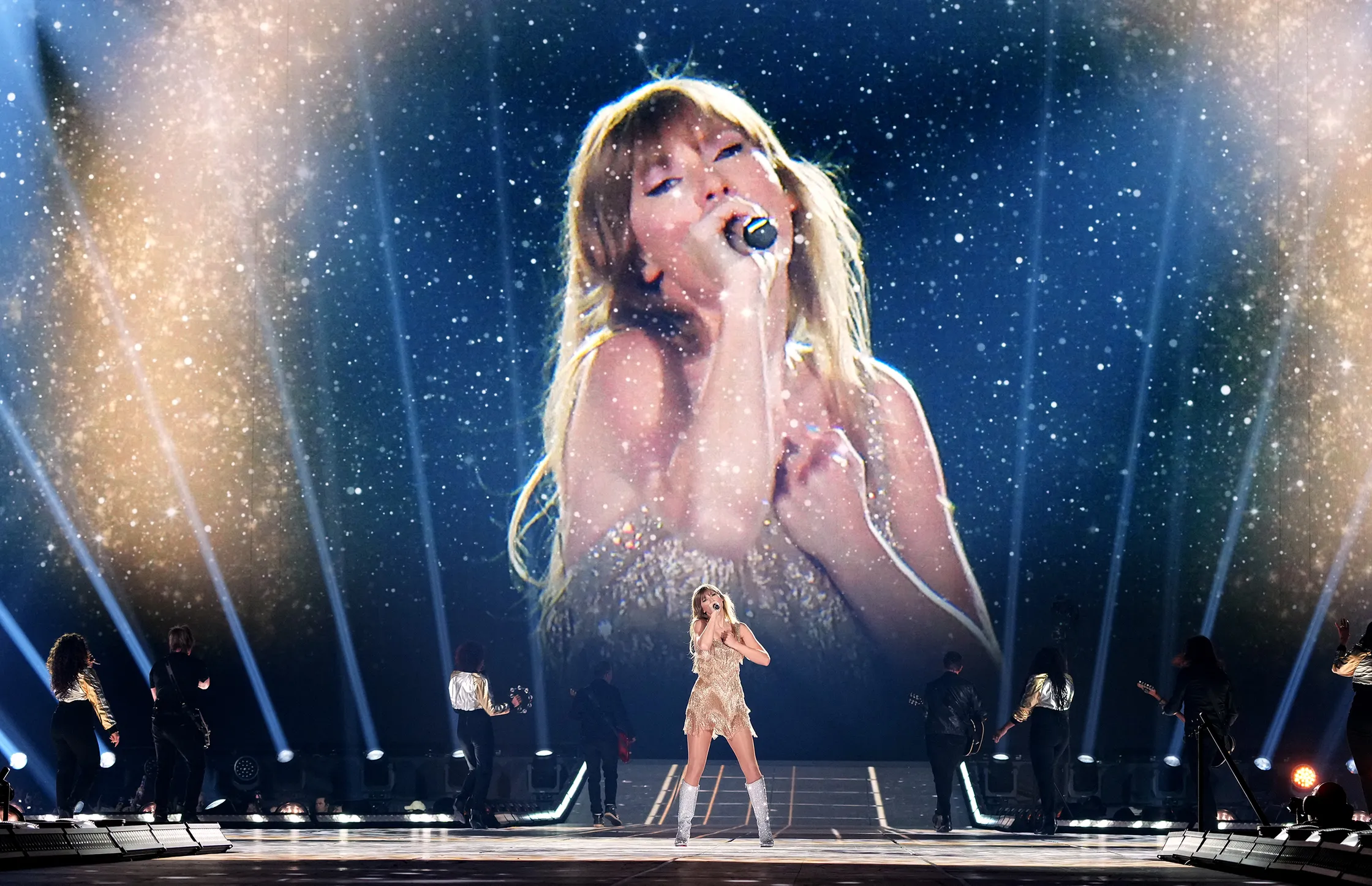
Imagine standing in a stadium surrounded by tens of thousands of people.
The lights go down. A song begins. And somehow, despite the size of the room, the moment feels incredibly personal.
You know the words before they’re sung. You know exactly what memory they belong to. Maybe it’s a person you haven’t thought of in years, a relationship that ended, or even a version of yourself you barely recognize anymore.
The person singing those words doesn’t know any of that.
She doesn’t even know your name.
And yet, somehow, you feel understood.
That’s the strange contradiction at the center of The Eras Tour. Taylor Swift performed the same songs to millions of people across the world, yet for many of those people, the experience felt intensely individual. Fans cried over surprise songs, traded friendship bracelets with strangers, dressed as different versions of themselves from different eras, and screamed lyrics about experiences that technically belonged to someone else.
But maybe they didn’t feel like someone else anymore.
Which raises an odd psychological question:
How can someone we’ve never spoken to make us feel more understood than some of the people we actually know?
Psychologists have a name for a part of this experience: Parasocial Relationships.
Parasocial relationships are one-sided emotional connections in which someone develops feelings of familiarity or intimacy with a media figure who doesn’t particularly know them. The relationship may flow in only one direction, but psychologically, that doesn’t necessarily make the feelings it creates any less real.
And Taylor Swift offers an especially interesting example because fans haven’t simply watched her life unfold.
In some ways, they’ve used it to mark their own.
The Eras Tour didn’t ask audiences to connect with one version of Taylor. It brought them back through all of them.
Fearless
Red
1989
Reputation
Folklore
But fans weren’t only revisiting her eras.
They were remembering their own.
A song released more than a decade ago might now belong to someone's first heartbreak. Another might remind them of their childhood bedroom, a friendship they lost, the first time they fell in love, or a period of their life they thought they’d forgotten.
Music has a unique relationship with autobiographical memory. Songs can become attached to particular people, places, and emotions, meaning hearing them again can bring back much more than the lyrics themselves. We aren’t just remembering the song.
We’re remembering who we were when we needed it.
That makes the relationship between artist and listener more complicated than simply being a fan.
Taylor doesn’t need to know which song someone listened to after their breakup for that song to have comforted them. She doesn’t need to know that someone grew up alongside her albums for those albums to become intertwined with that person’s identity.
And maybe that’s a part of why someone we’ve never met can occasionally seem to understand us better than someone sitting beside us.
The artist doesn’t actually know our experience.
But somehow, they found the words for it.
There's an important difference.
Parasocial connection can create feelings of intimacy and familiarity, but familiarity isn’t the same thing as actually knowing someone. The Taylor Swift a fan feels connected to is inevitably constructed from music, performances, interviews, social media, and pieces of life intentionally shared with an audience. The danger comes when emotional investment blurs that boundary. When feeling connected to someone begins to feel like having access to them.
But The Eras Tour also demonstrates another side of parasocial connection.
Everyone else.
For years, many of these relationships with music happened privately. Headphones in. Bedroom door closed. One person listening to a song that somehow described exactly what they couldn't say themselves.
Then suddenly, they were standing in a stadium filled with people who knew every word too.
The friendship bracelets became a surprisingly powerful example. What began as a reference to one lyric in Taylor's song quickly became a ritual between strangers at each of her shows. People spent hours making bracelets before shows only to give them away to people they might never see again.
And something interesting happens there.
A connection that began between one fan and one artist suddenly becomes a connection between two strangers.
The parasocial creates something social.
Maybe that’s why dismissing these relationships as simply “fake” misses something important.
The relationship itself may be one-sided.
But the emotions it creates aren’t.
The comfort is real. The memories are real. The friendships it creates are real. The feeling of standing among thousands of strangers and realizing they somehow understand why the same words matter to you is real.
Perhaps that's what The Era Tour ultimately reveals about these parasocial relationships.
Maybe millions of people aren’t connecting with Taylor Swift because they genuinely believe she knows them.
Maybe they’re connecting with her because something she created helped them know themselves. And perhaps feeling understood has never required another person to know every detail of our story. Sometimes, someone simply puts words to something we’ve been carrying for years.
And suddenly,
we aren’t carrying it alone anymore.
References
0 Comments
No comments yet
Keep reading
A fresh mix from across our archive