The Cartoons That Raised Us
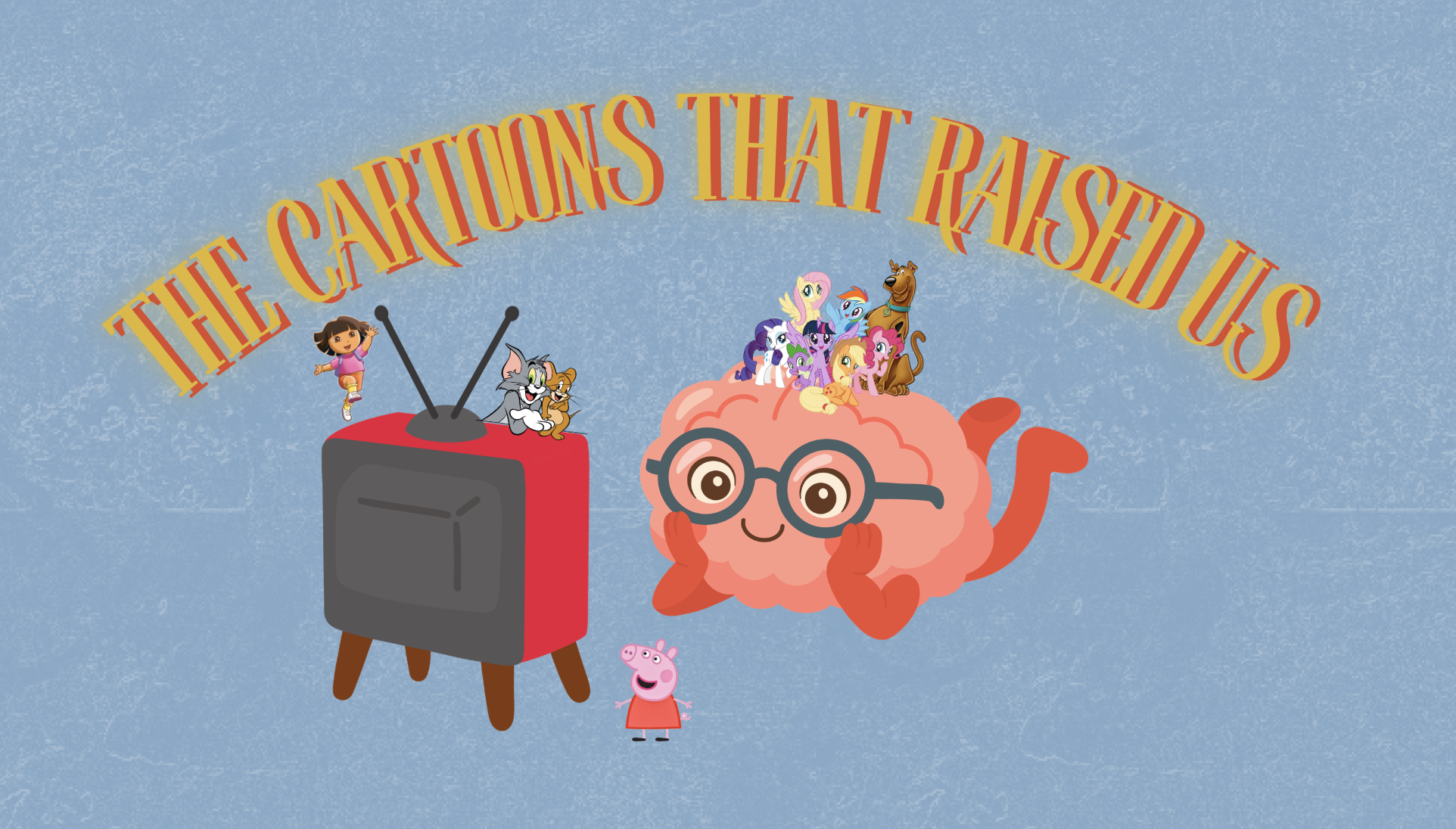
If you imagine Dora the Explorer playing on the TV, you are likely a problem-solver. If you see Doc McStuffins saving the day with her team’s support, you are likely to be a great team member. Maybe it’s Elena of Avalor that made you aware of the world beyond you and interested in other cultures. The list of shows and the ramifications go on, but the overall trend is that the characters from the shows you were exposed to early in life can predict your personality traits even years later. Today, we are going to talk about what lies beneath this.
An important concept to learn is the “Parasocial Relationships.” These kinds of relationships usually exist to satisfy the humanistic need to connect with others and seek belonging. They are formed between a media consumer and a character. Psychology of Popular Media’s research shows that a strong identification with main characters from a children's show is in tune with high endorsement of personality traits related to that character.
The study's author, Erica C. Rarity, and her colleagues explain that these identifications can lead to “viewer [developing] values, beliefs, and personality traits that align with those of the character.” An interesting survey revealed that viewers of the show “My Little Pony” exhibited the personality traits, such as humor, generosity, kindness, etc., of each of the 6 characters in accordance with their level of identification. The author then concluded that the parasocial relationships formed by the young viewers and the animated characters may influence their personality traits or the way that they perceive those traits.
However, the study’s design has limitations: the lack of causal inference raises concerns, such as whether people who already exhibit the personality traits are assigned characters who share the same viewpoints. Either way, these one-sided psychological bonds between viewers and characters promise a new area of developmental psychology that may explain our viewing behaviors and lead to a deeper understanding of media psychology.
References
Never miss an issue of Guest Contributions
Get the next one in your inbox. Free, and one click to leave.
0 Comments
No comments yet
Keep reading
A fresh mix from across our archive