
Spider-Man’s Brand New Depression
“With great power comes great responsibility,” but what if that power came with the sacrifice of knowing that everyone around you would forget who you are?
SPOILERS for Spider-Man: Brand New Day
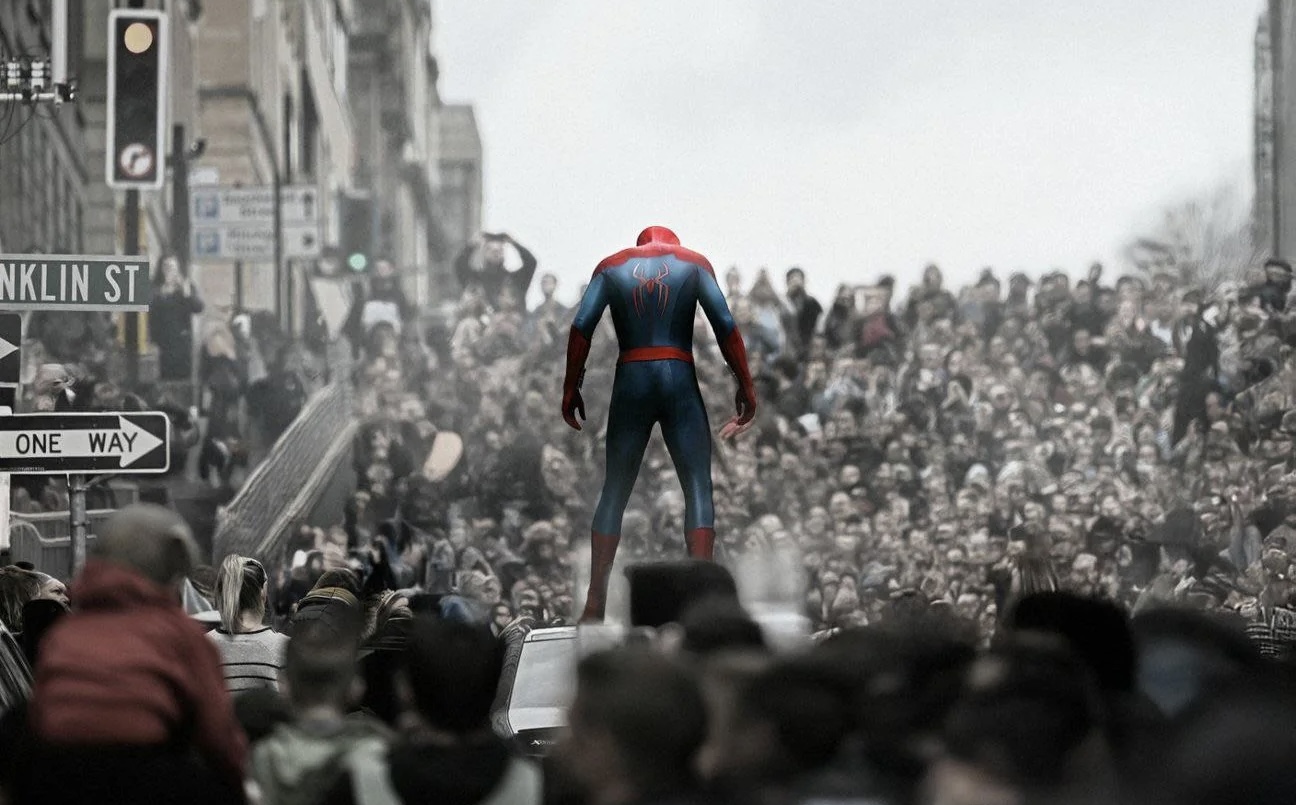
Spider-Man: Brand New Day explores a more depressive state that Peter Parker happens to be in. Having lost everybody he loves for the better part of four years, he isolates his world into one only Spider-Man can see. Crime rates hit an all-time low. New York’s feelings toward Spider-Man are at an all-time high, but the character’s mental health… well, he hasn’t checked in with himself all that much.
The character of Spider-Man has always experienced hardship, not just because it makes the story interesting, but because it’s something we can all resonate with. Because Spider-Man, like the creature he’s named after, can pick himself right back up, always believing that hardship turns into ease. But sometimes, that hardship is the only thing that takes control. As we observe Peter’s routine of stopping burglaries, visiting Aunt May with a bouquet of flowers, or watching Ned’s college journey behind digital doors, there comes a point when Peter appears exhausted from playing only one half of himself. Confronting loss within the most challenging sacrifices doesn’t mean you’re still okay. It can mean that grief has remained unaddressed for so long that it begins shaping how you see yourself, your relationships, and your future.
In psychology, depression is clinically known to be one of the most common mental health disorders in the US. Symptoms may include persistent sadness or emptiness, loss of interest, fatigue, disrupted sleep or appetite, difficulty concentrating, feelings of hopelessness or worthlessness, and sometimes unexplained physical pain.
And as we witness Spider-Man’s character arc throughout the film, many of these symptoms have been building. When Peter goes to Ned and MJ’s party, he sees what was once the love of his life being taken by somebody else. He then swings away as his unresolved emotions coincide with increasingly unstable changes in his body. And these new heightened abilities cloud his judgment. While isolation can be a great way to provoke self-reflection, prolonged isolation can also reinforce rumination and make destructive impulses harder to challenge. Jean Grey becomes the distorted reflection of Peter’s depression, responding to the loss of her sister Sarah with a violent rampage of manipulation and vengeance, without looking at who might be out there to help.
Depression can be a health condition that can creep up on you when you least expect it. Spider-Man’s collection of negative thoughts is a result of not balancing what needs to be prioritized. When Peter lets Jean into his mind, she visits a memory of Aunt May, who tells him that because of his power, many people might want to take it away from him. But through the pursuit of never compromising on your values, you will be able to change as much of the future as possible with the power of being decent. When Jean witnesses this moment, Peter becomes her voice of reason, a confidant in a world where she’s never felt supported.
Psychologist Aaron Beck explains how depression can be observed within three negative thinking patterns:
The Self: Believing you are inadequate.
The World: Believing the world is unfair.
The Future: Believing life will remain the same.
And as we witness these thought patterns take place, it’s clear that this belief system is one that is shaped around what you say about yourself as opposed to what you can say about yourself. Peter believes that being Spider-Man is his number one priority, but he can say that spending time with those he loves can center him on what he’s meant to do. Jean Grey believes that revenge is the only option to get her sister back, but what she can believe is that our power can be far greater than how we harm others for retribution, and that perhaps using it to heal would avenge Sarah’s fate for far longer.
The film portrays depression as the outcome of losing what made you fulfilled and making that sacrifice longer than it needs to be. Without a support system, you can lose the threads of what makes Peter Parker the iconic web-slinger, and vice versa. By the end of this brand-new day, Peter learns that responsibility does not only mean protecting New York. It also means allowing Peter Parker to remain alive beneath the mask. He can be an extraordinary hero and an ordinary person with ordinary struggles—and there is nothing irresponsible about taking care of both.
References
0 Comments
No comments yet
Keep reading
A fresh mix from across our archive