Spider-Man: No Way Home and the Multiverse of Regret
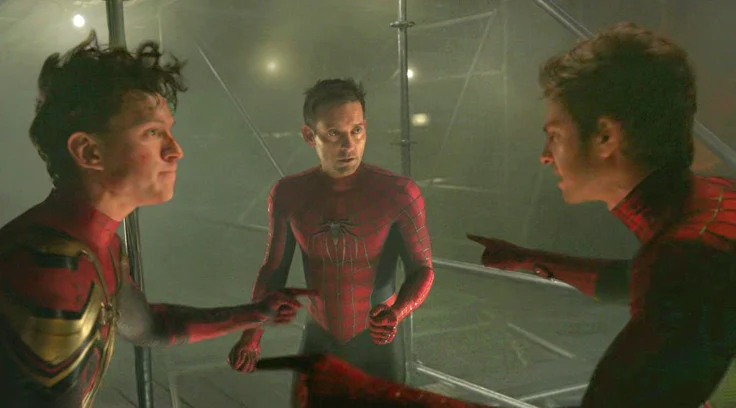
What if the multiverse in Spider-Man: No Way Home is not just a sci-fi concept, but is actually a reflection of the way the human mind processes regret? Beneath the nostalgia and action, the film seemingly centers around the deeply familiar tendency to replay the past and imagine how things could have gone differently.
This psychological process is known as counterfactual thinking. Counterfactual thinking refers to the tendency to mentally construct alternatives to events that have already occurred, essentially creating “what if” scenarios (Roese, 1997). Instead of accepting reality as it happened, the mind generates alternative versions of the past, continuously asking questions like, "What if I had acted sooner, made a different decision, or said something else?" This is a common train of thought in our daily lives. For example, someone who missed an important job opportunity because they hesitated to apply would come up with these “what if” scenarios, incessantly letting their thoughts drift towards the missed opportunity. They would consistently deliberate about potentially taking the risk, feeling closer to having succeeded, thereby making their thoughts more vivid and persistent. According to the work of Daniel Kahneman and Amos Tversky, people often evaluate outcomes relative to imagined alternatives rather than solely on the reality that occurred. As a result, the closer a better alternative feels, the stronger the feeling of regret becomes. This phenomenon is exemplified by all three Spider-Men in No Way Home.
To begin with, Andrew Garfield’s Spider-Man represents upward counterfactual thinking at its threshold. Upward counterfactuals occur when one imagines a better outcome than reality, often intensifying regret. Andrew’s Peter continues carrying the regret of failing to save Gwen Stacy. Her death is especially traumatic because the alternative outcome felt so close. He was almost fast enough, almost able to reach her, and almost able to save her. That “almost” is what fuels regret. The mind becomes trapped replaying the small difference between tragedy and the better reality that could have been.
This is why Andrew’s rescue of Tom Holland’s MJ becomes one of the most emotionally powerful scenes in the film. On the surface, he is saving MJ from falling. However, psychologically, he is confronting the counterfactual he has carried for years. The scene mirrors Gwen’s death almost exactly, forcing him to relive the moment that shaped his regret. This time, though, the outcome changes, and he catches her. His immediate emotional reaction upon their safe grounding underscores the significance of that moment, as it becomes his own form of closure. While he cannot change Gwen’s fate, this moment allows him to temporarily resolve the “what if” scenario that has lived in his mind for years.
Next, Tobey Maguire’s Spider-Man demonstrates a different relationship with regret. Unlike Andrew, his regrets no longer appear raw or consuming but seem integrated into his sense of self. This is evident when he stops Tom Holland’s Peter from killing the Green Goblin. Having lived through the consequences of revenge himself, Tobey’s Peter recognizes that acting on anger will only deepen regret rather than resolve it. This reflective intervention highlights an important aspect of counterfactual thinking, as Tobey’s Peter derived meaning from regret rather than ruminating on it or waiting for it to disappear. Whether Tobey’s Peter was enduring financial troubles, being consumed by the symbiote, or working it out with his MJ, time and counterfactual reflection can shift the focus from rumination to growth, allowing past mistakes to inform wiser future decisions rather than endlessly reinforcing pain, as exemplified by Maguire’s Peter.
On the other hand, Tom Holland’s Peter Parker experiences regret in real time. Throughout the film, his primary goal is to reverse consequences and prevent irreversible loss. He repeatedly tries to fix outcomes rather than accept them, reflecting a common psychological response to regret. People often believe that if they could just undo one choice, their suffering would disappear. Peter’s desire to save every villain reflects this mindset. By curing them before they die, he attempts to create alternate endings, literally rewriting their narratives, therefore evidencing a classic response to regret.
This shared experience of regret becomes more evident when one considers how each Spider-Man’s story is shaped by the loss of a loved one. For Tobey and Andrew, Uncle Ben’s death becomes a defining moment of regret, tied to the belief that their choices contributed to his fate. Similarly, Tom’s loss of Aunt May forces him to confront regret in real time. In each case, the pain is about imagined alternatives and the belief that things could have been different, and not just about enduring the pain associated with that experience. However, the film suggests that regret is eased not by rewriting the past, but by accepting responsibility and choosing to act differently moving forward.
The depiction of the multiverse helps tie in these three similar yet distinct experiences with regret. The villains are pulled from moments just before their deaths, implying that each represents an alternate possibility. They are living embodiments of counterfactuals, physical manifestations of realities that could have ended differently. In this sense, the multiverse symbolizes the countless alternate timelines and counterfactuals humans create in their minds whenever they dwell on regret.
Ultimately, Spider-Man: No Way Home suggests that regret itself is a kind of multiverse. Every regret creates another reality in our minds, one where we said the right thing, made the better choice, or arrived just in time. But healing comes from accepting the reality that has already happened, not from living in alternate realities.
In the end, the multiverse may offer infinite possibilities, but regret traps us in the one reality that never existed.
References
Never miss an issue of The Cognitive Flix
Get the next one in your inbox. Free, and one click to leave.
0 Comments
No comments yet
Keep reading
A fresh mix from across our archive