
Riley Andersen & the Fear of Not Being Enough
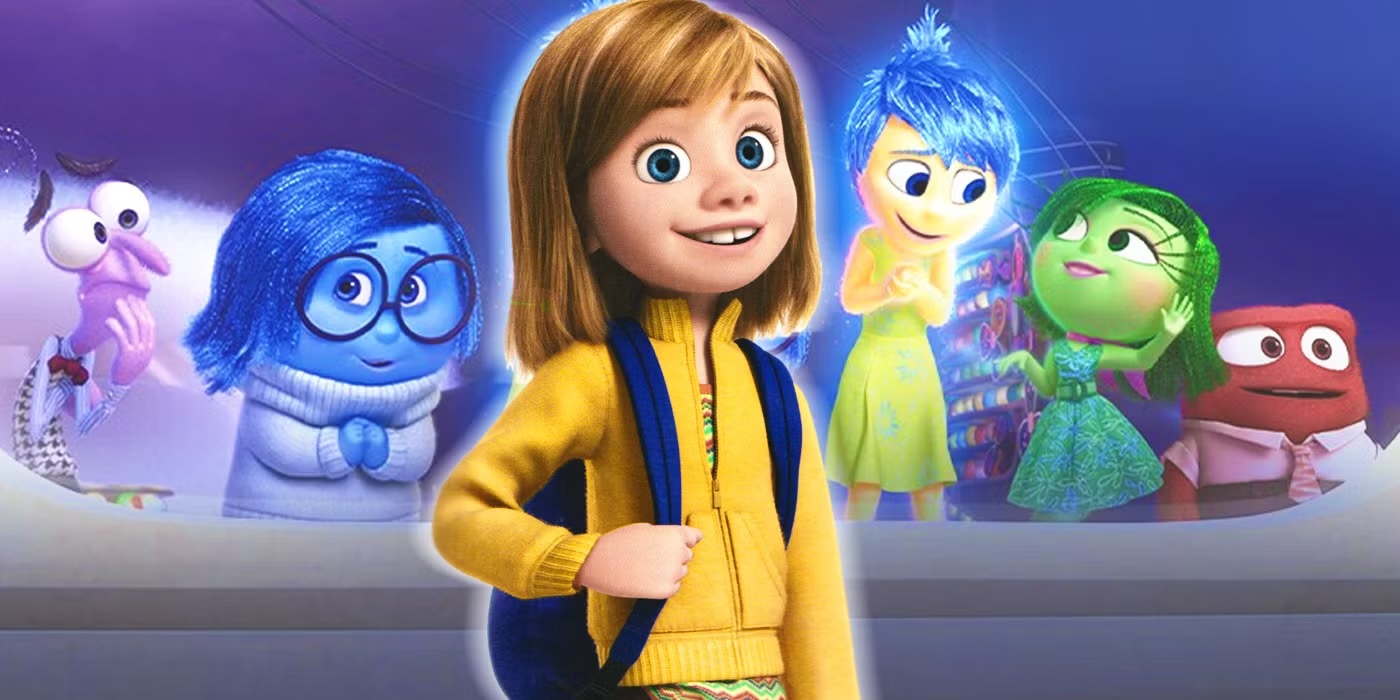
Growing up brings a special type of fear: the anxiety that who you are may not be enough.
Inside Out 2 follows the story of Riley Andersen, a thirteen-year-old girl whose emotional world is expanding faster than she can keep up with. The first film followed Riley through childhood, when emotions Joy, Sadness, Anger, Fear, and Disgust helped her cope with loss, change, and home. However, the sequel begins at a different stage of life. Riley is no longer just striving to be happy. She strives to become someone valuable, impressive, and socially accepted.
That transition is what makes the sequel such a powerful depiction of adolescence. Adolescence, according to developmental psychologist Erik Erikson, is a period of identity formation in which young people begin to explore questions such as "Who am I?" and "Where do I belong?" Riley sees hockey camp as more than just an opportunity to get better at her favorite sport. It becomes a test. If she performs well enough, she may be chosen. If she says the proper things, perhaps the older girls will like her. If she becomes the best version of herself, she may not be left behind.
This is where Anxiety enters the picture, not as a villain, but as a protector who goes too far. Anxiety wishes Riley were prepared. She tries to anticipate every conceivable mistake before it occurs. She wants to prepare Riley for safety. In this sense, the film portrays an emotional truth: anxiety does not feel destructive at first. It feels responsible. It conveys a sense of care. It teaches us that we can avoid rejection by planning ahead, avoiding mistakes, and controlling our outcomes.
Riley's anxiety, however, eventually turns into perfectionism. She doesn't only want to do well. She comes to believe that, to fit in, she must be perfect. She isolates herself from her old friends, imitates the older players, and creates a new self based on what she believes others want. The contrast with Joy is crucial here. Joy connects Riley to openness, play, and authenticity. Anxiety narrows Riley's world, making every decision about avoiding failure. Hockey moves from expression to performance. Her internal belief changes from "I am a good person" to "I am not good enough.” That belief becomes the emotional center of the film because Riley’s struggle is about more than simply hockey. It is about identity.
Jean Piaget's research on cognitive development explains why this type of thinking grows increasingly powerful during adolescence. As young people develop more advanced abstract thinking, they get better at imagining the future, questioning how others perceive them, and considering who they might become. These abilities can promote growth, but they can also allow for excessive thinking. Riley can now predict failure before it strikes. She sees herself as disliked, excluded, and someone who disappoints others. Anxiety transforms that new cognitive skill into an endless rehearsal for disaster.
For instance, the panic attack scene is one of the movie's most honest moments. Riley's intelligence has been attempting to shield her from every imaginable danger, but her body has now reached its limit. She freezes. Her breathing shifts. The space feels both too large and too little. The scene is important because it reveals that anxiety is more than just "worrying too much." It can become a full-body experience, especially if someone has been attempting to keep themselves together for too long.
Still, Inside Out 2 does not suggest that anxiety should disappear. That would be too simple. Anxiety has a role. It helps us prepare, recognize risks, and think about the future. The challenge emerges when Anxiety is the only voice Riley hears. Emotional regulation is not about avoiding painful emotions. It's about making room for all of them without letting any one emotion dominate the whole self.
Barbara Fredrickson's broaden-and-build theory offers a helpful perspective on Riley's recovery. Fredrickson suggests that positive emotions can broaden our thinking and help us achieve resilience, connection, and perspective. Joy conveys the pain of this transition when she says, "Maybe this is what happens when you grow up. You feel less joy." The line is significant because Joy is not just being dramatic; she recognizes that adolescence complicates Riley's emotional environment. Joy can no longer force happiness to solve every problem. Rather, Riley must discover that happiness may coexist with fear, sadness, insecurity, and anxiety. She has to accept that she is not one perfect thing. She is kind and jealous, talented and insecure, brave and afraid. She can make mistakes and still be worthy of love.
That is the deeper lesson of Inside Out 2: adolescence is more than just becoming someone new. It's about realizing you don't have to sacrifice yourself to belong. Riley's fear of not being enough is painful since it is so familiar. Many people view acceptance as something they must earn through achievement, likability, or perfection. But the film quietly reminds us that identity cannot be created solely on fear, because she is, in fact, enough.
References
Never miss an issue of The Cognitive Clash
Get the next one in your inbox. Free, and one click to leave.
0 Comments
No comments yet
Keep reading
A fresh mix from across our archive