Pluribus: A Billion in One
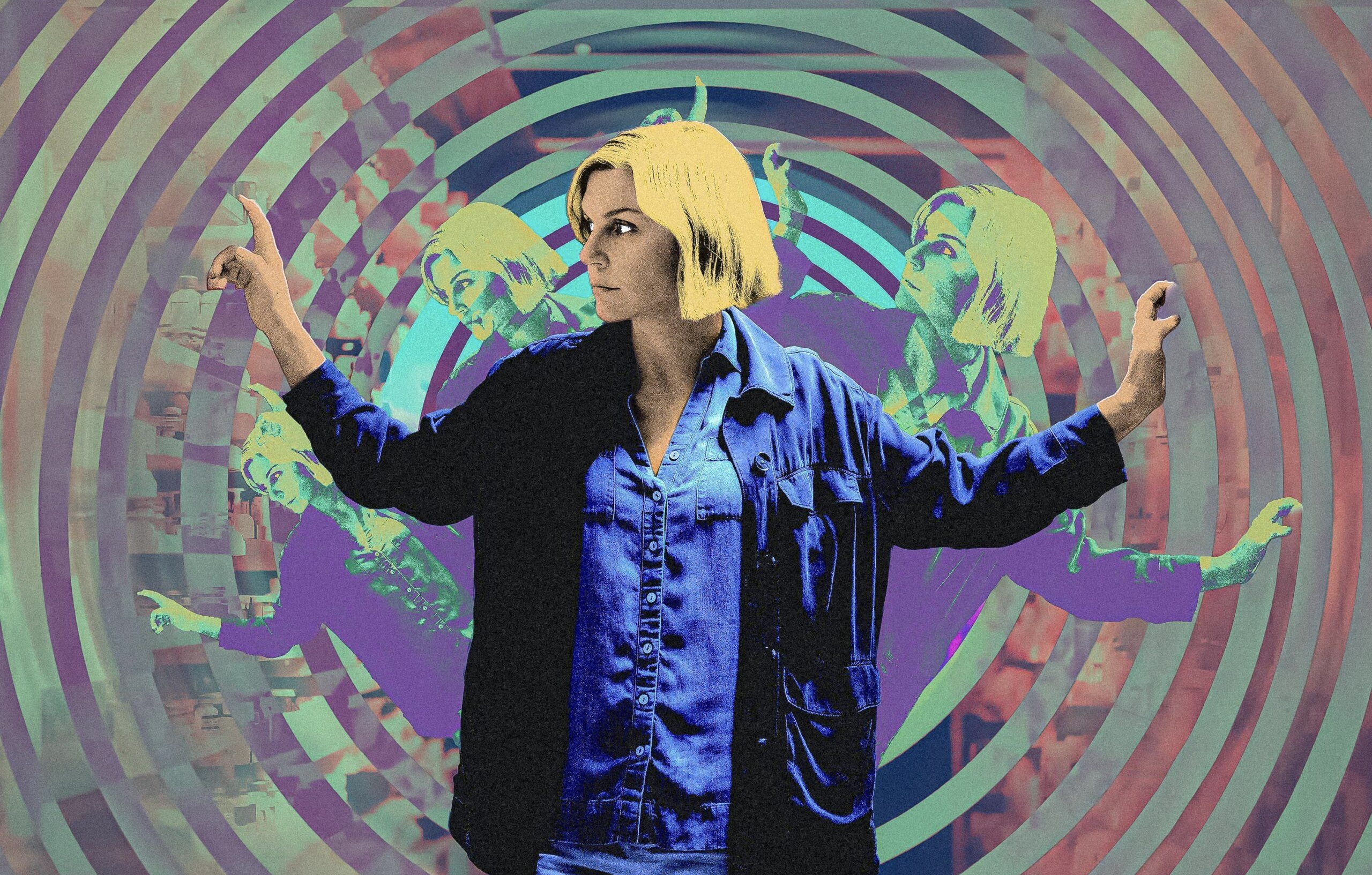
From the dawn of man, being one with the group was the norm. But until the Renaissance, once cultures became more divided, people became more independent. Which is why, in many cultures, particularly Western ones, people tend to prioritize their individuality. So when Pluribus hits us with a startling realization that, somehow and someday, a virus can contaminate itself into a worldwide epidemic of singular thought, with a couple of exceptions, such as Carol herself, it makes me wonder: what would happen to us if we were a billion in one?
I’d be terrified, personally, but if I were in Carol’s shoes, I would want the human race to witness its imperfections as they unfold, rather than a single entity laying out this seemingly perfect blueprint. Pluribus captures the unsettling truth of individuals losing the one thing that breaks us apart: our identity. And without our identities, there isn’t a true sense of reality that we can decipher. Because in a culture where disagreement is the norm, a community that singularly agrees on all the small and big things is unnatural, and therefore, inhuman. As author Carolle Dalley discusses in her paper, “Psychological Projections in the Emergence of Hive Mind,” whether technological or traditional, when we find a cause that interests us, we may want to be part of that revolution. But in the case of Pluribus, this was a cause that nobody agreed upon. The hive mind believes that singularity can present alignment, but really, it just suggests a lack of control.
As James Madison in Federalist No. 51 stated when describing a perfect government, “If men were angels, no government would be necessary. [But] if angels were to govern men, neither external nor internal controls on government would be necessary.” A government of people is as imperfect as the governance of the self. We must never shy away from a lifetime in which mistakes happen because our decisions and autonomy are our own, and not anyone else's. As Carol begins to observe the nature of this lifeforce, they tend to be very kind, engaging, and unwilling to harm. Carefully manipulative, sure, but only if the intention comes with care. Much like the human race, there are wants and needs we have managed to ask for, and sometimes, if you’re thankful enough, you’ll get it.
As pessimistic and cynical as she can be, Carol argues that freedom of thought makes humanity far more vast than that of an alien life force. An example of this includes meeting with the remaining people who are uninfected. Their argument comes from an awareness of the changes, but since they can see their loved ones’ physical presence, that may be enough for them, rather than the emotional or cognitive ones. For instance, when psychologists describe groupthink, they often observe a lack of individuality, in which moral and judgmental tendencies can diminish their character. And because of that fear of disagreement, we’re never asked to call into question what we sometimes believe in when the convenience of everybody else agreeing allows them to not be challenged. The show takes an interesting turn in its portrayal of the hive mind's personality. They’re seemingly selfless, reassuring, and abundantly caring towards the uninfected. Carol is wary of this because she can’t resist the change she is witnessing.
Individuality is what makes the human spirit tend to flourish. Our imperfections can build upon one another, creating the flawed, messy, and beautiful world we witness today. The extraction of humanity is one thing, but their consciousness is another. One can’t believe the amount of oppression we have in society, so turning us into one is the worst thing you can do. The power of the human race and our deep, enriching culture doesn't come from the need for predictability and singularity, but for the nuance of being your own person and finding your own truth. And the truth of the matter is, Pluribus explores what makes us so beautiful, so flawed, and why our imperfections and contradictions make life so interesting.
References
Never miss an issue of The Cognitive Times
Get the next one in your inbox. Free, and one click to leave.
0 Comments
No comments yet
Keep reading
A fresh mix from across our archive