
Obsession: When Love Enters a Room
When love enters the room, we can feel its presence, pleasure, and an almost possessive response to what we like is ours. But once that wish comes true, what if it wasn’t what you fully pictured?
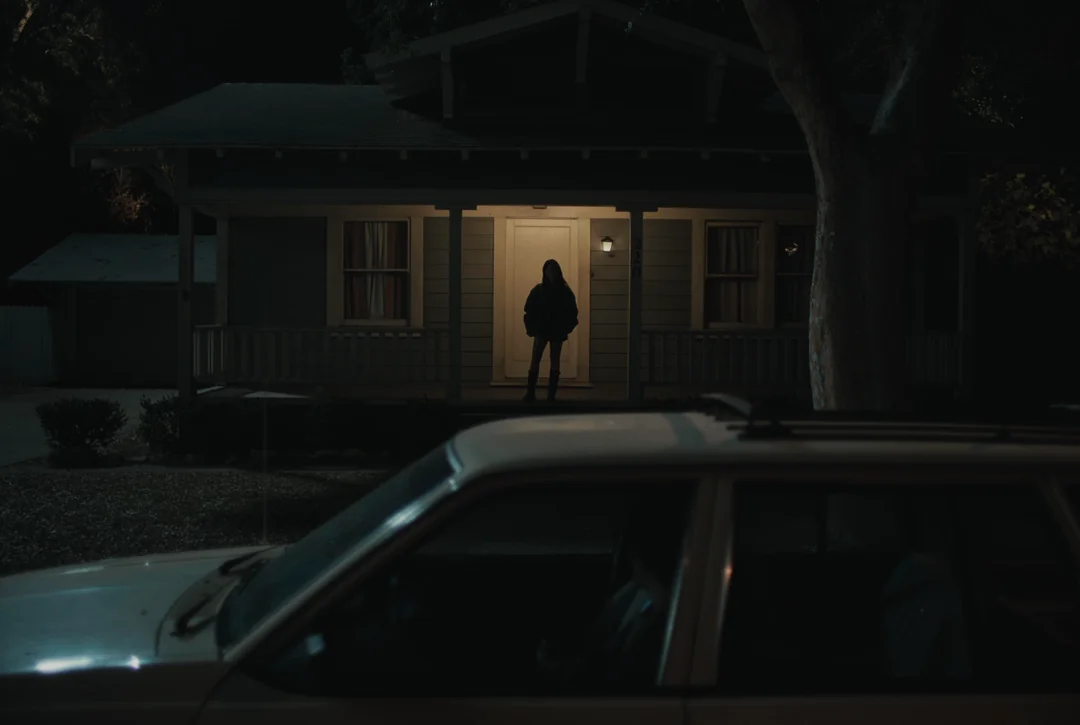
Obsession takes us into the fever dream of wishing for something as precious as mutual love and turns it into a psychological bloodfest. And while Nikki is the victim and Bear is the aggressor, this possessed version of Nikki can explain codependency quite well.
Codependency is relying on someone else’s actions or feelings instead of your own. It’s a term mainly used in healthcare settings whenever there’s an overreliance on a drug or alcohol, the same way we might rely on people. In the film, Bear believes his whole life is only worthwhile if he’s around someone who’s unapologetically herself. His self-esteem reflects his desperation to make Nikki feel for him, even though the film suggests Nikki’s affection can go in any direction, whether it be a brother, just a friend, or something more, depending on the viewer’s interpretation.
But one clear interpretation is that Nikki is the opposite of Bear. She is a free spirit, unabashed in her convictions, and pursues her own version of the truth. But once the One Wish Willow snaps loose, the two roles somehow reverse. Bear becomes more confident and self-assured, while Nikki becomes more desperate and clingy.
There are many instances where Nikki’s codependency occurs in the film, such as:
Familial abuse: When Nikki was in her real form, she had an incredibly distant relationship with her father. But as Freaky Nikki, she turned her father into a sounding board for why she isn’t feeling ok so that Bear can get closer to her.
Learned helplessness: When Freaky Nikki gets more violent because Bear isn’t around, the wish is granted, reinforcing this theme of desperation and closed-mindedness about doing anything outside their relationship.
These fantastical outcomes draw us into seeing a reality that isn’t far from the truth for some corrupted and toxic relationships. When the film escalates into sheer bloodshed, we see the hyperbolic outcomes one wish can lead to. Being codependent isn’t a problem until it becomes a consistent challenge in your relationships. If you’re noticing patterns that conflict with your friends, colleagues, or partners, research recommends that you step back, distance yourself from the conflict, and find a way to communicate earnestly, unlike what Bear did, which inevitably caused all this tragedy.
When the relationship becomes altered or imbalanced, you can lose the ability to pull yourself out. A healthy relationship, whether big or small, is built on respect and clarity about our values. When we push for a relationship that doesn’t reciprocate, love doesn’t enter the room. Instead, it can be resentment, desperation, and the conflicting need to ask for a way out. Psychotherapist Esther Perel believes a balanced relationship complements the other. She describes how, if we were to use a scale of 100% and one participant is doing 60% of the work while the other is doing 40%, odds are that in a healthy relationship the other person can commit to the 60% another time around, and vice versa.
So the relationships that must be witnessed should never result in violence or unnecessary loneliness. Instead, it should be one of deep reflection, that if we were mutually compatible, it should always be a two-way street. Bear wanted someone like Nikki because he believed it would make him whole. And it only took a possessed version of her for him to realize that when love enters the room, it doesn’t come in and cover your door with duct tape.
References
Never miss an issue of The Cognitive Times
Get the next one in your inbox. Free, and one click to leave.
0 Comments
No comments yet
Keep reading
A fresh mix from across our archive