From: What happens when reality stops making sense?
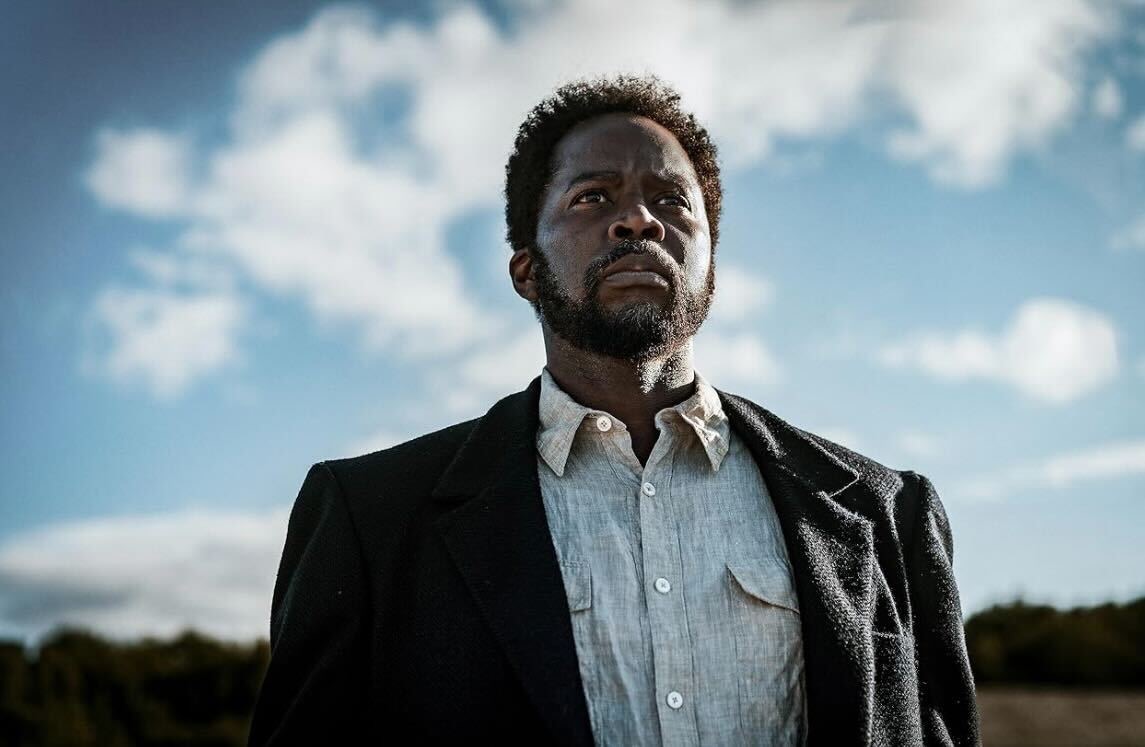
What happens to who we are when the world around us no longer makes sense, and fear becomes the only thing guiding our decisions? In From, the characters are trapped in a reality where logic no longer seems to apply. The road is an endless loop, escaping seems impossible, and on top of that, terrifying creatures emerge every night, forcing the town into a state of constant fear and survival.
At first, the people trapped in the town try to approach their situations rationally. They search for explanations and answers, routines, and patterns, anything that could make their reality feel digestible again. But as the show unfolds, certainty slowly disappears, and fear quickly takes its place.
This is where a psychological shift begins to happen.
Because when people lose their sense of certainty, their behavior changes with it. Fear-based decision-making often pushes people away from more logical explanations and towards their instincts, emotions, and need for survival. Research from the National Institutes of Health suggests that fear and anxiety significantly influence decision-making, often shifting behavior away from rational thoughts and towards those survival-based responses. In From, you can clearly see this happen constantly as the characters become more reactive, emotionally driven, and willing to compromise parts of themselves in order to survive.
You can see this psychological shift unfold throughout the town, depending on how each person copes with fear and uncertainty. Boyd slowly takes on the role of the town’s sheriff and protector, becoming someone people instinctively look to for structure and direction, even as the reality around them becomes harder to understand. According to the Cleveland Clinic, the amygdala plays a major role in processing fear and triggering survival responses, often prioritizing perceived safety over rational thought. As fear surrounding the town grows, many of the characters begin operating almost entirely on survival instinct rather than on logic, morality, or emotional stability.
At the same time, the divide between Colony House and the town itself reflects how people create completely different systems for survival. While the town leans towards rules, routines, and control, Colony House copes through emotional escape, distraction, freedom, and a sense of community. Even in reality, where no one fully understands what's happening, people still instinctively organize themselves into roles, groups, and belief systems in order to psychologically survive.
Then there's Sara, whose fear and desperation for answers slowly pushed her towards increasingly violent actions after becoming convinced the voices she had heard held meaning. Instead of bringing people together in fear, it begins to reshape morality, identity, and the specific roles people adopt to cope with uncertainty. Sara becomes one of the clearest examples of how fear can distort someone's sense of reality to the point where these more harmful actions begin to feel justified if they offer even the slightest possibility of control or explanation.
On the other hand, From explores something even deeper: the human need to create meaning when reality is no longer providing it. Research discussed in Psychology Today explains that uncertainty creates significant psychological discomfort, often prompting people to seek explanations or belief systems that restore a sense of control. In From, this becomes visible through the town's theories, rituals, emotional reactions, and desperate attempts to make sense of the unknown surrounding them.
That’s what makes the show so unsettling. The monsters themselves are creepy, but the real psychological tension comes from watching people lose their sense of certainty, control, and identity in an environment where fear never fully disappears. Over time, survival itself begins to respond to morality, relationships, and the way people understand both themselves and each other.
Maybe From isn’t really about the monsters at all. Maybe it’s about what happens when people are forced to live without answers, and how fear can slowly transform who we become when survival is the only thing left to hold onto.
References
Never miss an issue of The Cognitive Code
Get the next one in your inbox. Free, and one click to leave.
0 Comments
No comments yet
Keep reading
A fresh mix from across our archive