Euphoria: How Media Aestheticizes Mental Illness.
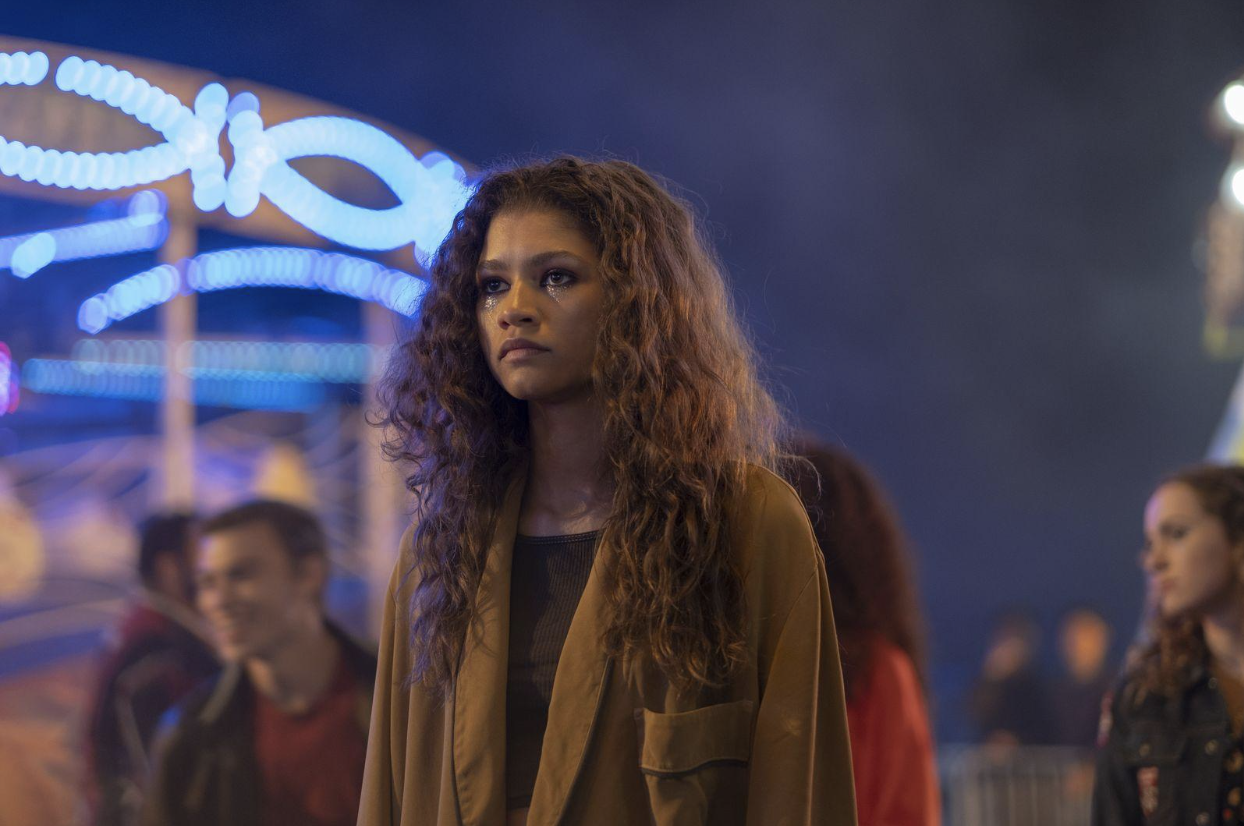
What does it mean when pain doesn’t just hurt, but looks beautiful? With the third season of Euphoria airing recently, we’re brought back to that 2019 feeling of nostalgia as we watch scenes of addiction, identity struggles, and emotional breakdowns unfold under the glowing lights, glitter makeup, and slow, cinematic shots. Even when everything is seemingly falling apart, it still feels stylized and controlled. Sure it's messy, it's chaotic, and dangerous, but it's also something that's been so carefully designed.
Which is where things can start to get complicated.
When mental illness and addiction are framed in this light, are we actually learning to understand them better? Or are we just getting used to seeing them like this?
Because Euphoria has such a unique way of making mental illness look beautiful, by turning identity, addiction, and self-destruction into something we willingly tune into every Sunday night. The show's detailed focus on lighting, camera angles, soundtrack, and makeup all work together to create a version of reality where these darker topics feel cinematic. You’re not just watching these characters struggle through daily obstacles; you’re watching something meant to make you truly feel something.
Psychologically, this matters more than we might think. Identity isn't exactly something we’re born with; it develops over time and is shaped by many external factors, like environment, experiences, and what we consume during our developmental stages. According to research on adolescent identity development, identity is heavily shaped by both internal and external factors, especially during adolescence. At the same time, addiction works in cycles: reward, escape, repetition. Where our identity and behavior become tied to a feeling rather than logic.
Euphoria taps into both of these concepts, but filters them through a lens that changes how they feel. When self-destructive behavior is repeatedly shown in such visually compelling ways, it desensitizes us to these actions and topics, making them feel alarming yet familiar and normalized, creating a reality that feels heightened and intentional.
We get to see this really early on with Rue’s drug addiction, especially in the pilot episode, where the hallway tilts around her, making her internal state feel immersive and almost surreal. Instead of experiencing her struggle as something that seems distressing and off-putting, the viewer is pulled into it firsthand, drawn in by the visuals, the music, the lighting, and the overall feeling.
Over time, that strong aesthetic can start to make it harder to tell the difference between understanding the pain and being drawn to it.
The shift is subtle, but it matters. The way we see something changes how we understand it. When mental illness is captured in this glamorous, almost aesthetic light, it can blur the line between recognizing harm and associating it with identity, beauty, or even self-expression.
Research highlighted in Psychology Today suggests that media plays a powerful role in shaping how people interpret emotional experiences and construct their sense of self. So Euphoria isn’t just reflecting reality, it's influencing how we experience it, which can lead us down paths we don’t realize we’re following.
Maybe the question isn’t whether Euphoria gets it right or wrong. Maybe it’s about what it teaches us to see. If so much of our identity is shaped by what we consume, then the way pain is presented might not just change how we understand others, it might actually change how we understand ourselves.
References
Never miss an issue of The Cognitive Code
Get the next one in your inbox. Free, and one click to leave.
0 Comments
No comments yet
Keep reading
A fresh mix from across our archive