Dispatch's Take on Heroism
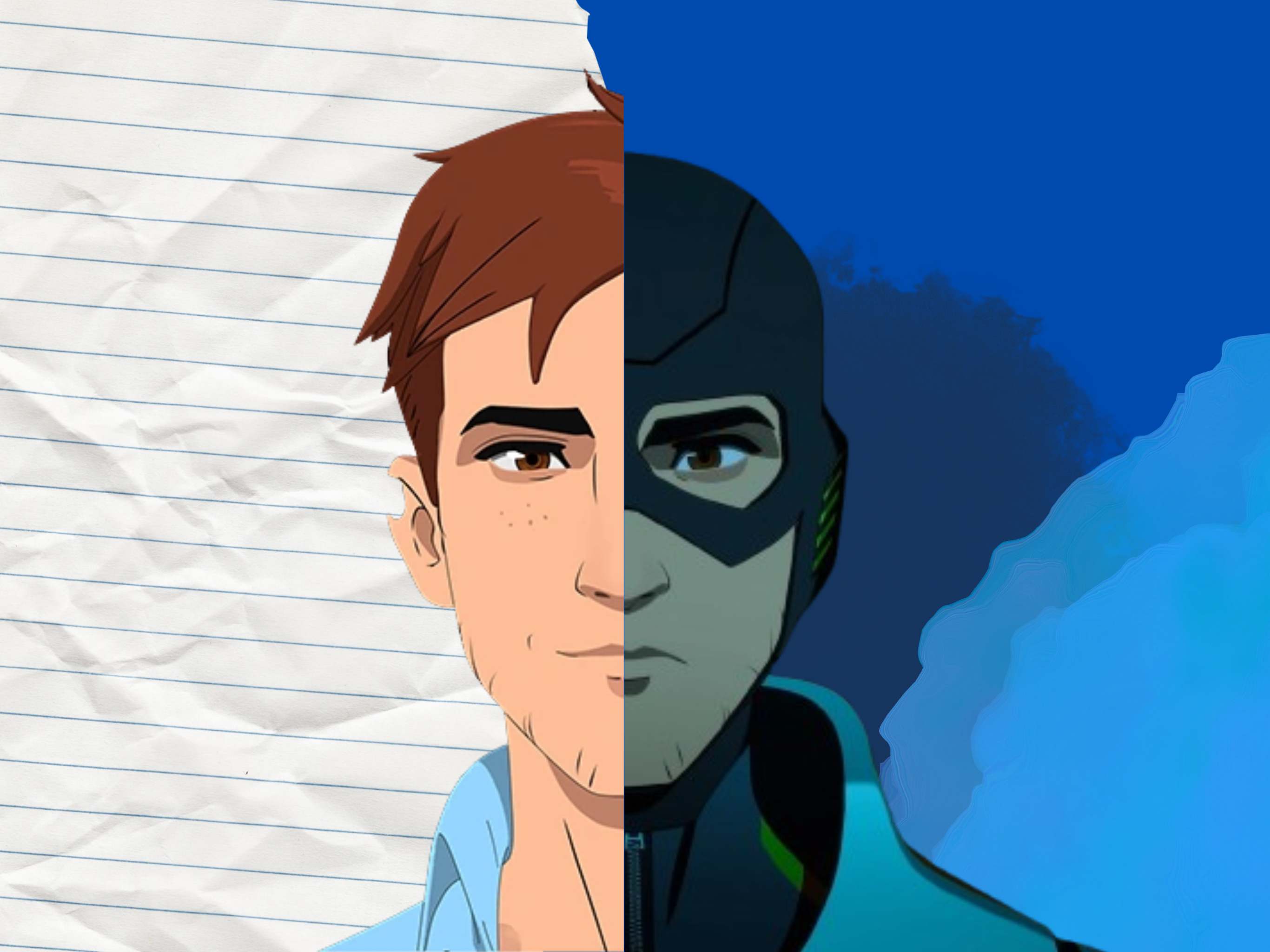
Meet Robert Robertson, a retired hero by the name of Mecha Man from the video game Dispatch, who is assigned to serve as a dispatcher for a group of ex-villains as they reform for society. When faced with former supervillains who can defeat Robert at any moment, how in the world was he going to tackle Z-Team all on his own? But before we dive deeper into his character, we need to understand what heroism is.
Although the definition varies, we can base it on researchers from various psychology departments. In the article “The Psychology of Heroism,” Kendra Cherry writes that researchers label a hero who “uplifts and enhances other people’s lives, models societal morals, values, and virtues, and protects others” (Cherry). We can see this in many scenes where Robert does his best to uplift the supervillains, especially Invisigal—for instance, the Z-Team. Invisigal tells him that she doesn’t have any “superhero” powers, which automatically makes her a villain. In defense, Robert argues that he doesn’t have any powers at all, and he mentions that interferences such as “Fate. Destiny. Not having powers. Seasonal depression. None of these things kept me from being a hero before. And they won’t keep me from being a hero again” (Dispatch).
Because of this, Invisigal and other supervillains are exhibiting reciprocal altruism, in which we help others with the expectation that they will help us in return (Cherry). The Z-Team feels obligated to return the favor to Robert for his encouragement and for not giving up on them. Additionally, throughout the game, Robert always seems to have good intentions, despite the choices you make. In almost every scene, Robert tries to see the best in everyone, especially the Z-Team, but why was he so focused on helping them? In another article, “The Psychology of Heroism,” Diana Aguilera writes that Stanford psychology professor Philip Zimbardo explores whether everyday citizens can be trained to become heroes and saviors.
Zimbardo defines heroism as “...taking a personal risk for the common good while others remain passive” (Aguilera). This reveals more about Robert’s character and his intentions for changing the Z-Team. He continues to put himself at risk because he wants his team to prevail; Robert isn’t just doing it because it’s his job, but because he wants to embody heroism. Robert’s actions and motivations were all examples of heroism. Despite lacking any powers, he could encourage others and protect them. His perseverance in changing the Z-Team demonstrates that being heroic shouldn’t be all about epic superpowers or costumes; it should be about inspiring others to showcase heroism.
After the epic bar fight, Robert and the Z-Team go to a fast-food restaurant. In a particular scene, Robert and the rest of the team began to show their vulnerability towards each other. When he is about to confess that he is Mecha Man, Robert tells the team he trusts them enough to reveal his true identity. Dispatch highlights Robert as someone who, even as an ordinary citizen, can be heroic. In a world where we idolize people who inflict harm on others, being a hero like Robert, who cares about the people around him despite their villainous past and actions, can represent the ideal image of strength, not weakness.
References
Never miss an issue of Guest Contributions
Get the next one in your inbox. Free, and one click to leave.
0 Comments
No comments yet
Keep reading
A fresh mix from across our archive