
Cersei Lannister & the Mind Games of Power
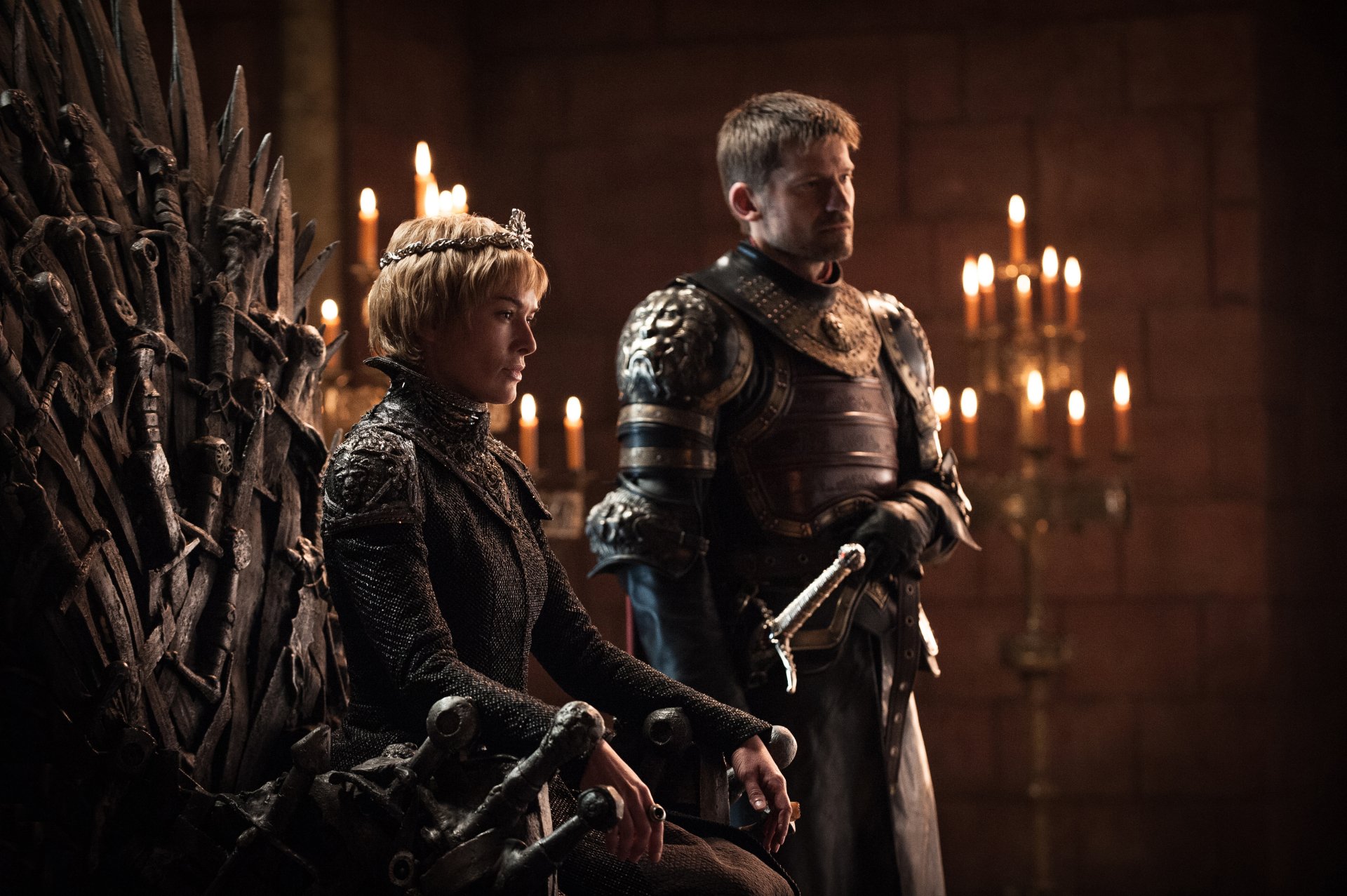
Cersei Lannister is terrifying because her cruelty is rarely impulsive. It’s deliberate, protective, and deeply psychological. In Game of Thrones, she walks through King’s Landing as if every room is a battlefield and every interaction is a negotiation. Cersei sees people as more than just people. They are threats, tools, rivals, or possessions. Her story raises a deeply human question: what happens when fear becomes the basis of someone’s identity?
Cersei exhibits psychological traits of Machiavellianism, which include manipulation, strategic thinking, emotional detachment, and the willingness to exploit people for one’s own benefit. She has a frighteningly accurate understanding of people’s weaknesses. One of her famous quotes is “When you play the game of thrones, you win, or you die.” This line reveals how she views power, not as a responsibility but as a survival strategy. When she enables the High Sparrow to weaken Margaery Tyrell, she believes she is making a wise political decision. Instead, her own strategy backfires, resulting in her imprisonment and a public walk of atonement. This is one of Cersei's distinguishing characteristics: She is adept at causing chaos but not necessarily at regulating the consequences that follow.
Her paranoia also influences nearly every decision she makes. Cersei often predicts betrayal before it happens and sometimes before it even exists. Her hatred for Margery transcends political jealousy. It's the fear of replacement. Margery is younger, admired, sociable, and loved by Tommen, Cersei’s son. To Cersei, that makes her a threat. She perceives Tommen's marriage as a loss of control rather than a typical change in his life. Her possessiveness blends with her maternal love, revealing an insecure attachment style in which closeness is maintained through control rather than trust.
Her relationship with her kids is one instance where this attachment instability is very evident. Despite her deep affection for Joffrey, Myrcella, and Tommen, Cersei frequently views them as extensions of herself. Because Joffrey is a symbol of Lannister power, his brutality is frequently justified. She finds Tommen's gentleness frustrating since it makes him more vulnerable to manipulation. Cersei's grief turns to vengeance following her daughter Myrcella's death, demonstrating how unresolved pain may exacerbate harmful behavioral patterns. She does not process loss by becoming more reflective; instead, she becomes more controlling.
The destruction of the Sept of Baelor is the most obvious manifestation of Cersei's mentality. In a single move, she eliminates the High Sparrow, Margaery, and many of her political rivals. It's calculated, harsh, and emotionally transparent. Cersei prioritizes domination over responsibility. However, the win costs her Tommen, who commits suicide immediately after witnessing the aftermath. This scene highlights the tragedy of Cersei's worldview: she can defeat adversaries but cannot maintain the ties that give power purpose.
Cersei's ascent to the Iron Throne is portrayed more as loneliness than as victory. By the time it's all over, she has the control she's always desired, but it has completely destroyed her world. Her journey reveals that confidence does not always translate to power. Power is sometimes fear wearing armor. Unchecked insecurity can lead to ambition turning into paranoia, love becoming possession, and survival gradually replacing humanity.
References
Never miss an issue of The Cognitive Clash
Get the next one in your inbox. Free, and one click to leave.
0 Comments
No comments yet
Keep reading
A fresh mix from across our archive