
Casablanca: A Test on Immigration
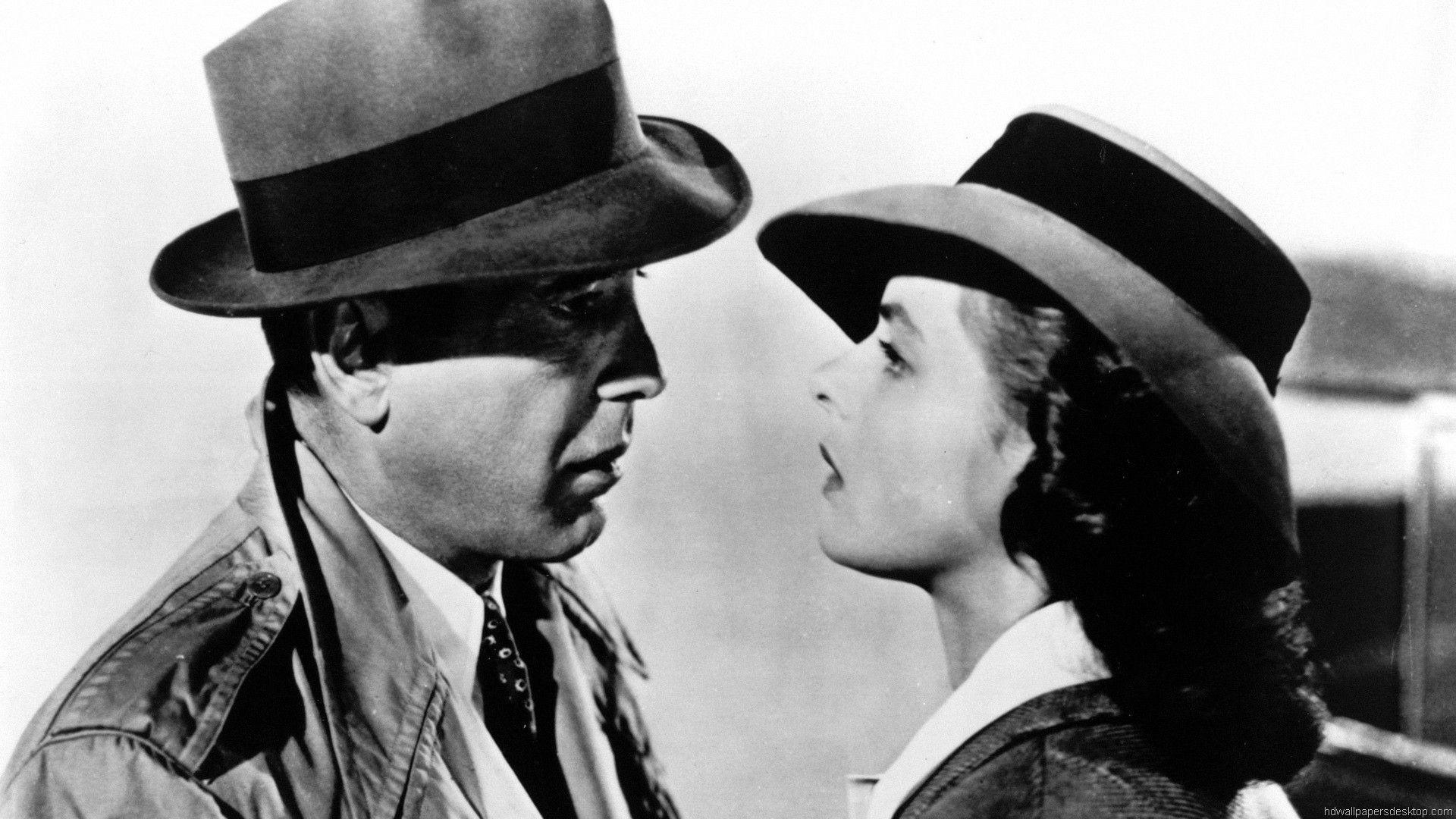
Immigration can be a life-changing process for so many. Whether it comes by force or will, it’s a contentious topic that, depending on who is in charge, can be an incredibly life-threatening issue. Casablanca reminds us that many refugees can empathize with the loss of a home they once knew, and as we continue to observe the uncertainties of immigration today, we can witness the many burdens that Rick Blaine and Ilsa Lund endured in the film.
At the dawn of World War II, the pressures of bureaucratic authoritarianism left so many immigrants feeling unwanted. Jewish families fleeing Nazi Germany, civilians escaping occupied territories, and refugees forced from their homes all experienced immigration not simply as movement, but as emotional rupture. Leaving behind a homeland often meant losing language, routine, identity, and a sense of belonging.
When Rick and Ilsa were together in Paris, the fears they had weren’t clear to one another because the feeling of escape was palpable. Both were able to complement each other's desires gracefully because their needs were in alignment. Especially in such tumultuous times, when people find the perfect person amid all the mayhem, you tend to forget the societal pressures that may exist.
Psychologists describe this experience as more than relocation, but as a reconstruction of the self after trauma. Many immigrants carried grief, uncertainty, and nostalgia alongside hope for safety, showing how migration affects both the body and the mind. Even generations later, descendants of immigrants often inherit stories, anxieties, and memories tied to displacement, revealing how deeply psychological the immigrant experience can become.
Whether in the 1940s or the present day, immigration is not only a political or economic journey, but also a psychological one shaped by memory, survival, resilience, and the universal desire to belong. When Ilsa left Rick astray, her reasoning at times stemmed from the fear of acting on impulse in a regime she couldn’t control.
And as we can see today, the wrath of superiority breeds fear of going anywhere, so most people commit to staying in a life that is not suitable for them. Once Rick understood Ilsa’s perspective, he did everything he could to ensure that she and her husband could start again without the burden of authority. His character was often ruthless and unabashed, and he believed that every man was for himself. But his love for Ilsa and her freedom was all he wanted to provide for her.
When society pressures us into fearing that we may never belong, those false narratives can become a core part of our identity. But when there’s a glimmer of hope, a second chance for freedom, there are many of us who take it by the handle and let it begin generations upon generations of true lineage and purpose.
Casablanca is a love story set in a place of solitude, as it attempts to live outside the uncertainty imposed by authoritarian regimes. The joy of diversity lies in respecting the differences other people bring to the table. We must shed light on those who are silenced so that they find a future that is fitting for them. Rick knew that a future with Illsa wouldn’t have sealed their fates in a happy ending, but, much like a future decided by ourselves, to that I say, “I think this is the beginning of a beautiful friendship.”
References
Never miss an issue of The Cognitive Times
Get the next one in your inbox. Free, and one click to leave.
0 Comments
No comments yet
Keep reading
A fresh mix from across our archive