
Bridge to Terabithia & Grief
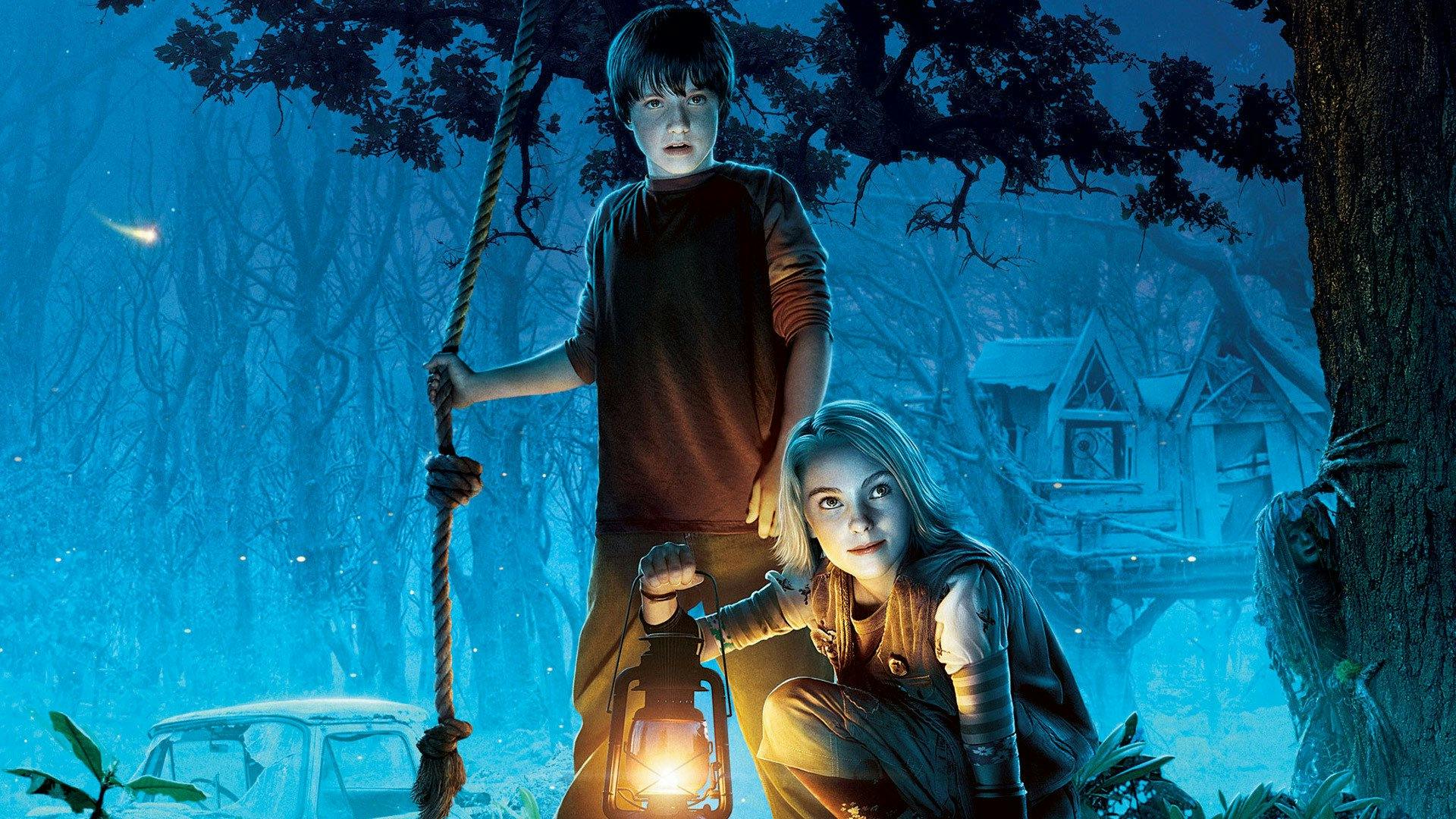
The friendship between fifth graders Jesse and Leslie is one of deep understanding and curiosity. Leslie helps break Jesse out of his shell and build his confidence, and the two eventually create the mythical land of Terabithia. The first half of the story is one of friendship and self-discovery for Jesse and Leslie, but the second part takes a shocking turn. Leslie's passing will always remain shocking to me, even as an adult. I remember crying with my peers and being frustrated that the story had turned that way. Much like Jesse, I was experiencing grief, and the story does a great job of addressing that.
Jesse has seemingly lost his only friend, and his response to this loss varies greatly. This is normal and according to the Society of Pediatric Psychology: “Grief reactions vary widely among bereaved youth and may include fluctuations in emotions (e.g., confusion, sadness, anger, worry) and behavior (e.g., acting out, social withdrawal, sleep disturbance)” (Thompson, Amanda., et al. 2021) These responses are ones we see Jesse engage in and additionally he feels regret and denial.
DENIAL
Upon hearing the news, Jesse is in denial and refuses to believe she would die from drowning, and even argues that Leslie was a great swimmer who couldn’t possibly drown. He was shocked and confused, unable to process that he would never see his best friend again. This causes him to flee and believe he’s being lied to. Even that night, in his dream, he is haunted by the news and tries to convince himself it was just a dream. He’s adamant that his family is lying to him until he goes with his father to pay respects to Leslie's family.
ANGER
Once the reality of Leslie's death sinks in, Jesse becomes extremely angry. He is angry at himself, his family, Leslie's family, and even Leslie herself. He feels alone and is mad that Leslie would leave him, and he's mad that people are grieving. Leslie was his closest friend, and he felt that no one else understood how special she was. His anger boils to the point where he even shoves his younger sister, May Belle.
SADNESS AND REGRET
On the day of Leslie's accident, Jesse was on a trip with his history teacher, Ms. Edmund. His absence makes him feel guilty, and he questions whether Leslie would have lived if he had been at Terabithia, told her not to cross, or even had invited her on the trip. Some part of him blames himself for not doing any of these actions. These thoughts are ones that he goes in and out of feeling, but throughout his grieving process is a deep sadness and even numbness.
HEALING
While Jesse's healing journey is nowhere near finished by the end of the story, we get to see the beginning. Early on in the story, it is expressed that Jesse enjoys art, and after Leslie’s passing, he is gifted her art supplies, allowing him to connect with her and express himself. Additionally, Jesse’s bond with his family grows stronger, starting with his father, who helps Jesse process his feelings. Even his relationship with May Bell's health, as the story ends with him inviting her to Terabithia and crowning her the new queen. He is choosing to memorialize her memories and inviting his sister to do so as well by keeping Terabithia alive.
Bridge to Terabithia is so impactful because of how real and raw its depictions of grief are. It doesn’t shy away from the complexities, and while it can be jarring to read/watch as a child, it’s real. This is important because, according to VITAS Healthcare, “5 percent of today’s students will have lost one of their parents by the end of high school, and 20 percent will have experienced the death of someone close by age 18” (VITAS Healthcare). It’s important that not just adults but children as well learn how to understand and process grief. This process is not easy or pretty, but it’s human, and Jesse helps us see that.
References
Never miss an issue of The Cognitive Crunch
Get the next one in your inbox. Free, and one click to leave.
0 Comments
No comments yet
Keep reading
A fresh mix from across our archive